







What's Happening?
The State Museum at Majdanek in Poland has introduced Digital Majdanek, an online portal offering free access to a vast collection of documents, photographs, testimonies, and artifacts from the Majdanek concentration and extermination camp, as well as the Bełżec
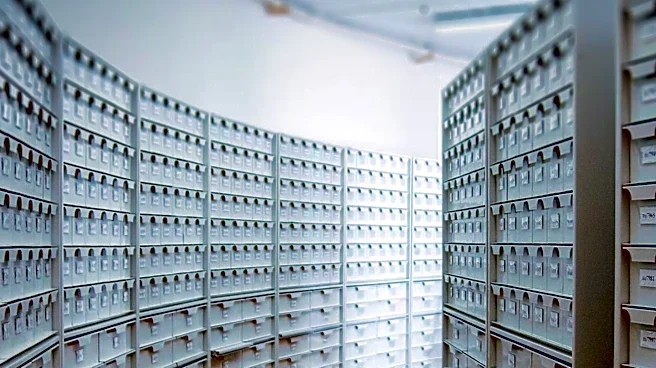
and Sobibór death camps. This initiative is part of Poland's Infrastructure of Culture 2026 program, aimed at preserving Holocaust history and supporting research and education. The digital archive currently features detailed information on approximately 300 items, with plans to expand the collection. Notable artifacts include a rag doll made by female prisoners, a porcelain mug used by the Waffen-SS, and various artworks created by inmates under dire conditions. The project utilizes advanced imaging systems to produce high-resolution scans, ensuring the preservation of these historical materials.
Why It's Important?
The launch of Digital Majdanek is significant as it enhances global access to Holocaust history, providing researchers, educators, and the public with valuable resources to study and remember the atrocities committed during World War II. By digitizing these materials, the museum ensures their preservation for future generations, contributing to ongoing efforts to combat Holocaust denial and distortion. The project also highlights the resilience and creativity of camp prisoners, offering insights into their daily lives and struggles. This initiative supports educational programs worldwide, fostering a deeper understanding of the Holocaust's impact on history and humanity.
What's Next?
As the digital archive continues to grow, it is expected to include more documents, photographs, and testimonies, providing a comprehensive resource for Holocaust studies. The museum plans to collaborate with international institutions to further expand the collection and enhance its educational outreach. This initiative may inspire similar projects at other historical sites, promoting the digitization of cultural heritage globally. The ongoing development of Digital Majdanek will likely attract attention from historians, educators, and policymakers, potentially influencing future preservation and educational strategies.
Beyond the Headlines
The digital archive not only preserves historical artifacts but also serves as a platform for exploring the ethical and cultural dimensions of Holocaust remembrance. By making these materials accessible, the project encourages reflection on the moral responsibilities of preserving and interpreting history. It also raises questions about the role of technology in cultural preservation and the challenges of maintaining historical accuracy in digital formats. The initiative underscores the importance of international cooperation in safeguarding cultural heritage and promoting historical awareness.