





What's Happening?
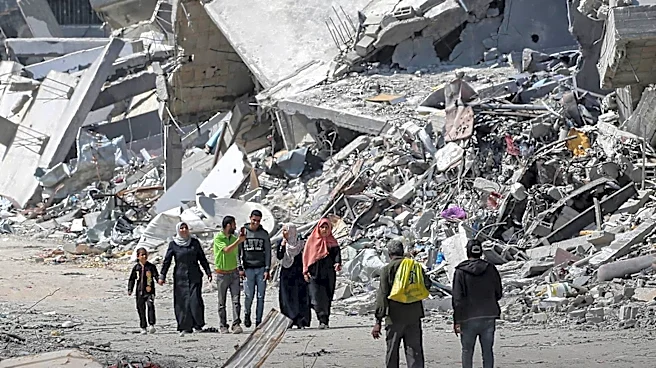
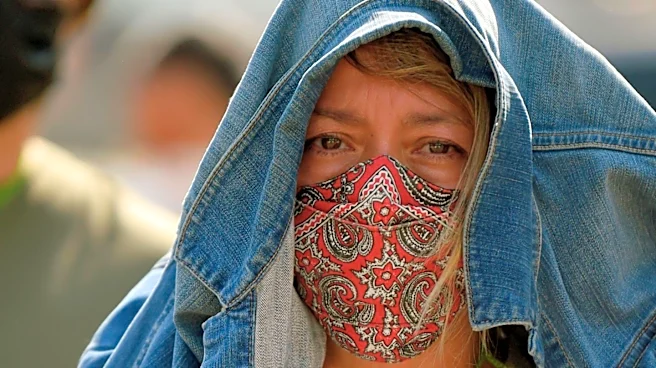
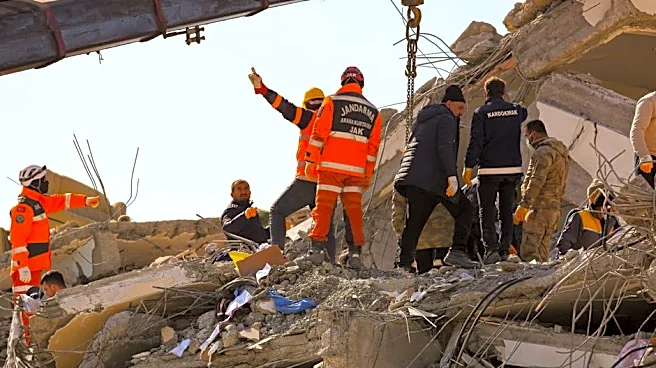
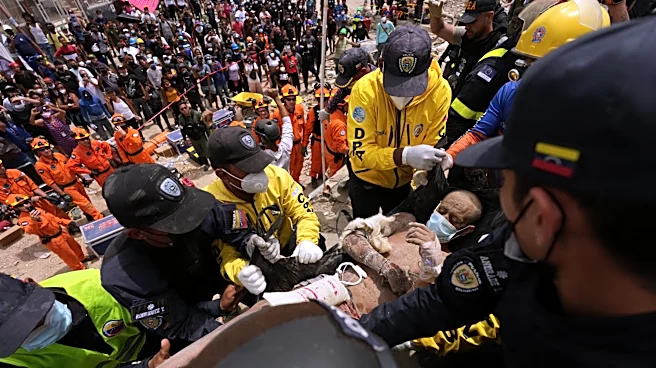
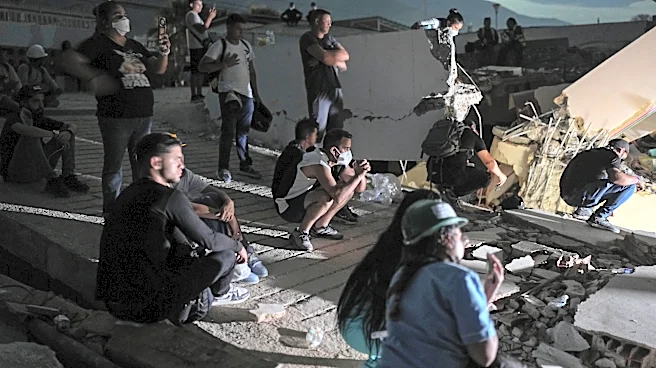
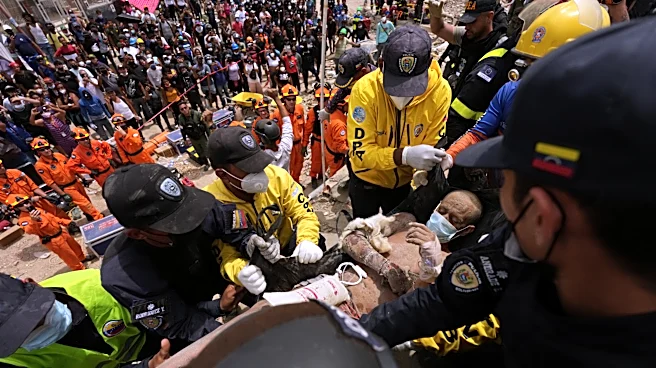
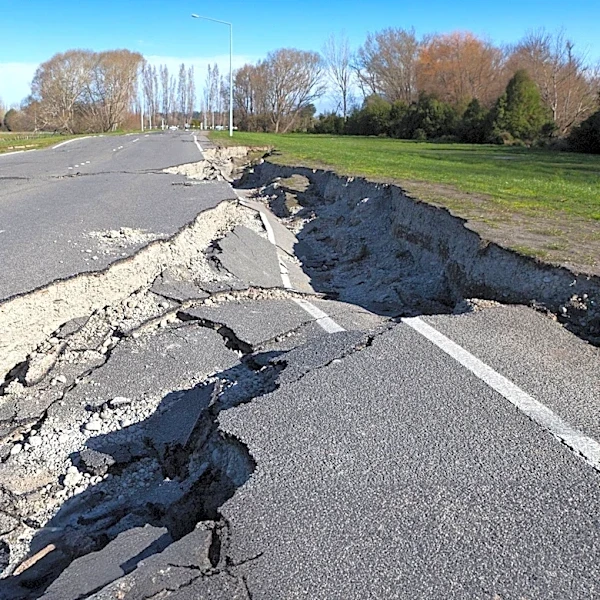
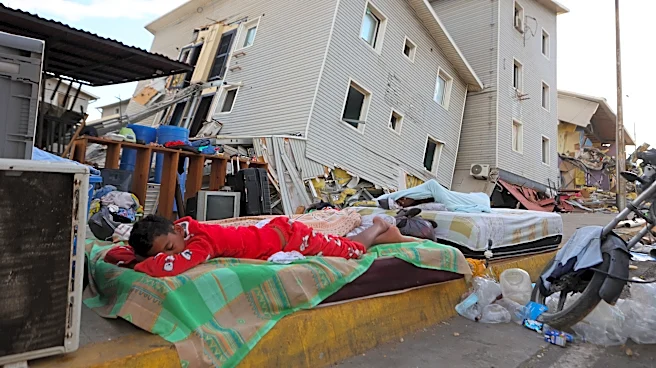
In the wake of devastating earthquakes in Venezuela, residents of La Guaira have been largely left to manage rescue efforts on their own due to delayed government response. The earthquakes have resulted in significant casualties and destruction, with
over 1,700 confirmed dead and thousands more injured. International aid, including U.S. military support, has begun to arrive, but many residents initially relied on neighbors and relatives for rescue operations. The situation highlights the challenges faced by communities in the absence of immediate governmental assistance.
Why It's Important?
The delayed response from the Venezuelan government has exacerbated the crisis, highlighting the country's ongoing struggles with infrastructure and governance. The reliance on international aid underscores the importance of global cooperation in disaster response, but also raises questions about the capacity of local governments to manage such crises. The situation reflects broader issues of political instability and economic challenges in Venezuela, which have been compounded by the natural disaster.
What's Next?
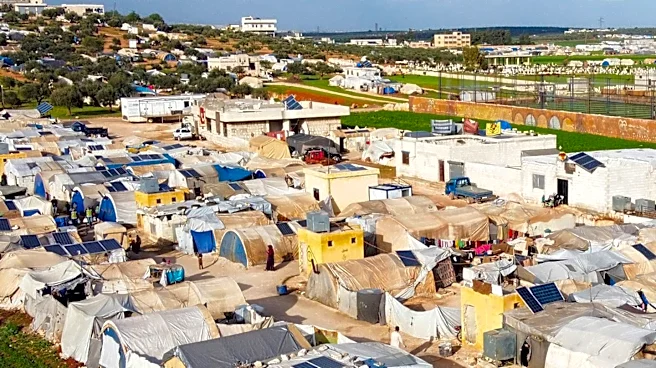
As international aid continues to arrive, efforts will focus on providing immediate relief and beginning the long-term recovery process. This includes rebuilding infrastructure, restoring essential services, and supporting displaced populations. The Venezuelan government may face increased scrutiny and pressure to improve its disaster response capabilities. Additionally, the international community may need to consider long-term support strategies to help Venezuela recover and build resilience against future disasters.