





What's Happening?
The New Jersey Board of Public Utilities (NJBPU) has officially closed out its Schools and Small Business Energy Efficiency Stimulus (SSB) Program. This five-year initiative, launched in August 2021, allocated nearly $180 million in American Rescue Plan
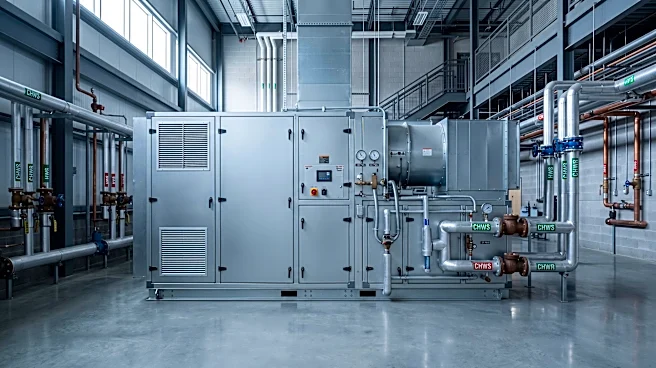
Act (ARPA) funding across 364 projects throughout the state. To date, $166.2 million has been disbursed, with final payments for 19 projects currently in progress. The program focused on two main tracks: ventilation/HVAC assessment, repair, and replacement, and plumbing fixture and outdated commercial appliance replacement. Grants covered up to 75 percent of eligible costs, requiring a 25 percent local contribution, and prioritized school districts and small businesses in underserved communities where at least 75 percent of students qualified for free or reduced-price meals. NJBPU President Ben Hertz-Shargel stated that the program successfully transitioned schools and small businesses from outdated systems to verified, code-compliant HVAC and plumbing upgrades, aiming for improved indoor air quality and reduced operating costs.
Why It's Important?
This program represents a significant investment in public health and energy efficiency for New Jersey's educational institutions and small businesses. By upgrading HVAC systems and plumbing, the initiative directly addressed pandemic-related disruptions, improving indoor air quality in schools and workplaces. This is crucial for student and employee well-being, potentially reducing the spread of illnesses and creating healthier learning and working environments. Economically, the program's focus on energy efficiency is expected to lead to lower operating costs for participating entities, providing long-term financial benefits. The prioritization of underserved communities also highlights an effort to address disparities in infrastructure and resource access, ensuring that the benefits of these upgrades reach those most in need. The substantial federal funding utilized underscores the national commitment to recovery and resilience post-pandemic.
What's Next?
With the SSB Program now closed, the immediate next steps involve the completion of final inspections and incentive payments for the remaining 19 projects, which account for approximately $13.0 million in outstanding payments. While the program itself has concluded, the long-term effects are expected to continue, with improved indoor air quality and reduced energy consumption benefiting schools and small businesses for years to come. Future initiatives from the NJBPU may build upon the successes and lessons learned from this program, potentially exploring new avenues for energy efficiency and infrastructure improvements. Stakeholders, including school districts and small businesses, will now be responsible for maintaining the upgraded systems and continuing to realize the operational savings and health benefits.
Beyond the Headlines
The successful implementation and closeout of the SSB Program in New Jersey offer a case study in how federal stimulus funds can be effectively deployed at the state level to achieve tangible improvements in public infrastructure and community well-being. Beyond the immediate benefits of better air quality and lower utility bills, such programs can foster a greater awareness of energy conservation and the importance of modern infrastructure in public and private sectors. The focus on underserved communities also touches upon broader themes of equitable resource distribution and environmental justice. This initiative could serve as a model for other states considering similar programs, demonstrating the potential for targeted investments to yield both economic and social returns, particularly in the context of post-crisis recovery and long-term sustainability goals.