




What's Happening?
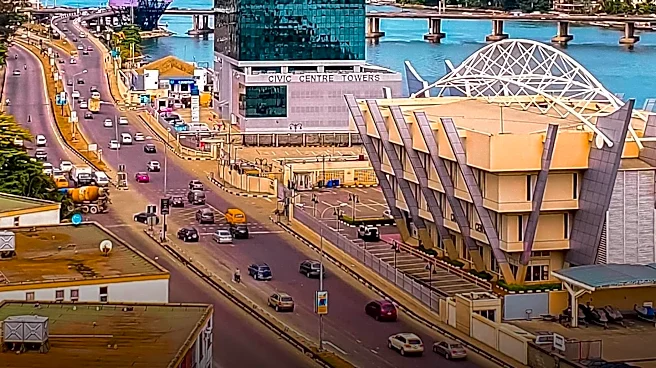
The China-West Africa Investment and Industrialization Dialogue was successfully held in Freetown, Sierra Leone, on November 13. This high-level event, a precursor to the 2026 West Africa Integration and Investment Summit, aimed to establish a platform
for government-business collaboration, build consensus, and identify pipeline cooperation projects. Attendees included senior officials from Sierra Leonean government departments, representatives from Chinese and Sierra Leonean enterprises, industry institutions, and regional bodies like the ECOWAS Economic Commission and the Mano River Union. Chinese representatives emphasized principles of sincerity, real results, and market-based approaches, focusing on industrial empowerment and supporting Sierra Leone's industrial chain upgrading and West Africa's industrialization drive. African representatives welcomed Chinese investment and expressed interest in deepening cooperation across sectors such as mining, infrastructure, energy, agriculture, and fisheries, committing to fostering a fair, transparent, and stable business environment.
Why It's Important?
This dialogue is significant for West Africa's economic development and regional integration. By facilitating direct engagement between Chinese investors and West African governments and businesses, it aims to unlock substantial investment opportunities that can drive industrialization, create jobs, and enhance local value chains. The focus on sectors like mining, infrastructure, and energy addresses critical development needs in the region. For China, this initiative strengthens its economic footprint and diplomatic ties in Africa, aligning with its broader strategy of fostering global partnerships and expanding its Belt and Road Initiative. The commitment to a fair and transparent business environment by African nations is crucial for attracting and sustaining foreign direct investment, which can lead to long-term economic growth and improved living standards across West Africa.
What's Next?
Following the dialogue, the immediate next steps involve the identification and development of concrete cooperation projects. This will require detailed feasibility studies, financial structuring, and regulatory approvals for proposed investments in mining, infrastructure, energy, agriculture, and fisheries. The success of this dialogue will be measured by the tangible projects that emerge and their impact on industrialization and job creation in West Africa. Continued engagement between Chinese and West African stakeholders will be essential to maintain momentum and address any challenges that arise. The upcoming 2026 West Africa Integration and Investment Summit will likely serve as a platform to formalize some of these pipeline projects and further solidify the investment partnerships established during this dialogue. Both sides will need to ensure that the promised fair and stable business environment is consistently upheld to attract sustained investment.
Beyond the Headlines
The China-West Africa Investment and Industrialization Dialogue represents a deeper strategic engagement that extends beyond economic transactions. It highlights China's growing role as a key development partner for African nations, offering an alternative to traditional Western aid and investment models. This partnership could lead to a significant transformation of West Africa's industrial landscape, fostering greater self-sufficiency and reducing reliance on raw material exports. However, it also raises questions about debt sustainability, environmental impact, and labor practices, which will need careful management by both sides. The dialogue's emphasis on industrial empowerment and local value addition suggests a potential shift towards more equitable partnerships, but the long-term success will depend on transparent governance and mutual accountability. This initiative could reshape regional economic dynamics and influence the geopolitical balance in Africa.