



What's Happening?
The U.S. State Department, through its principal deputy spokesperson Tommy Pigott, has indicated that NATO could experience improved security if the United States were to acquire Greenland. This statement comes amid ongoing discussions and tensions between
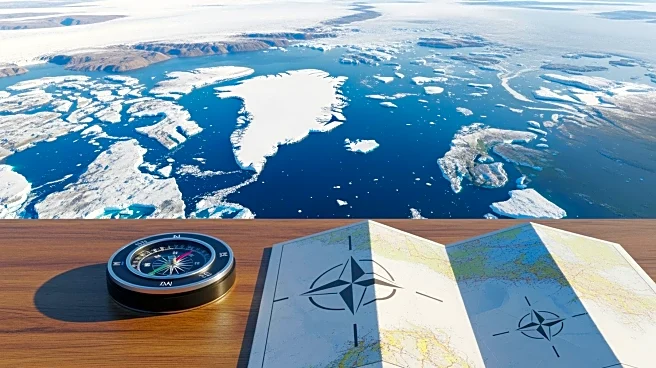
the U.S. and its NATO allies regarding the strategic importance of Greenland. The island, which is an autonomous territory of Denmark, has been a point of interest due to its strategic location in the Arctic and its potential natural resources. The U.S. has previously expressed interest in Greenland, citing its geopolitical significance and the benefits it could bring to national security and defense strategies.
Why It's Important?
The potential acquisition of Greenland by the U.S. could have significant implications for international relations and security dynamics within NATO. Greenland's strategic location in the Arctic makes it a valuable asset for military and defense operations, particularly as global powers vie for influence in the region. The U.S. acquisition could enhance NATO's ability to monitor and respond to activities in the Arctic, potentially deterring adversarial actions from other nations. However, this move could also strain relations with Denmark and other NATO allies who may view the acquisition as a unilateral action that undermines collective decision-making within the alliance.
What's Next?
If the U.S. pursues the acquisition of Greenland, it will likely require diplomatic negotiations with Denmark and consultations with NATO allies to address any concerns and ensure alignment with international laws and agreements. The U.S. may also need to engage with Greenland's local government and population to discuss the implications of such a move. The outcome of these discussions could influence future U.S. foreign policy and defense strategies in the Arctic region.