
What's Happening?
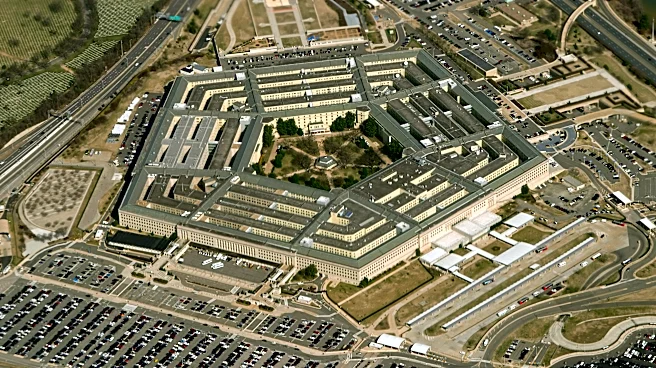
The Department of Defense has announced partnerships with seven leading AI companies, including SpaceX, OpenAI, and Google, to integrate their systems into classified Pentagon networks. These agreements
aim to enhance the U.S. military's capabilities in data synthesis and decision-making. Notably absent from these partnerships is Anthropic, an AI company deemed a supply-chain risk to national security. The Pentagon's decision follows Anthropic's refusal to provide unrestricted access to its AI models for military use. The exclusion has led to legal challenges from Anthropic, which is seeking to overturn the decision. Despite the ongoing dispute, recent meetings between Anthropic's CEO and White House officials suggest potential for future collaboration.
Why It's Important?
The Pentagon's decision to partner with major AI companies reflects the growing importance of artificial intelligence in national defense strategies. By excluding Anthropic, the Department of Defense underscores the significance of security and control over AI technologies used in military applications. This move could set a precedent for how the U.S. government engages with tech companies, balancing innovation with national security concerns. The outcome of Anthropic's legal challenges could influence future government contracts and the regulatory landscape for AI technologies.
What's Next?
The ongoing legal battle between Anthropic and the Pentagon will be closely watched, as it could impact future collaborations between tech companies and the U.S. government. The Pentagon's partnerships with other AI firms are expected to proceed, potentially leading to advancements in military technology and strategy. As discussions continue, there may be opportunities for Anthropic to address security concerns and re-enter negotiations with the Department of Defense. The situation highlights the need for clear policies and frameworks governing the use of AI in national security.