





What's Happening?
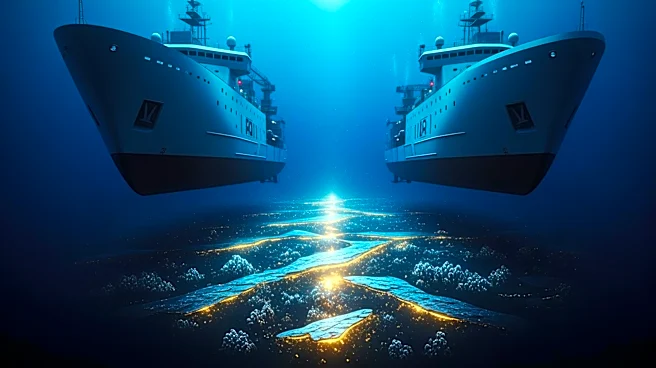
A new analysis by a deep-sea ecologist highlights the environmental risks of deep-sea mining, particularly at hydrothermal vent sites like Solwara I off Papua New Guinea. The study reveals the unique biodiversity and fragile ecosystems present at these
sites, which could be permanently damaged by mining activities. Despite initial enthusiasm for the potential of deep-sea mining to provide metals for renewable energy technologies, the analysis concludes that the environmental costs outweigh the benefits. The findings emphasize the need for careful consideration of the ecological impacts before proceeding with deep-sea mining operations.
Why It's Important?
The analysis underscores the critical importance of preserving deep-sea ecosystems, which are home to unique species and play a vital role in global biodiversity. The potential destruction of these habitats for resource extraction poses significant ethical and environmental challenges. As the demand for metals used in renewable energy technologies grows, balancing resource needs with environmental protection becomes increasingly urgent. This study calls for a reevaluation of deep-sea mining practices and highlights the need for international cooperation to protect these fragile ecosystems.
What's Next?
The findings may influence policymakers and environmental organizations to advocate for stricter regulations and moratoriums on deep-sea mining. Further research is needed to fully understand the ecological impacts of mining activities and to develop sustainable practices that minimize harm to marine environments. The study could also prompt increased investment in alternative methods of obtaining necessary metals, such as recycling and improved terrestrial mining practices, to reduce the pressure on deep-sea resources.