



What's Happening?
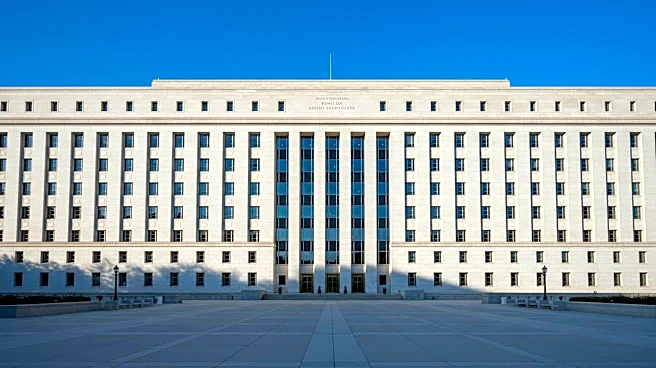
The Justice Department has issued a final rule that significantly expands the authority of its National Fraud Enforcement Division while simultaneously reducing powers previously held by the Criminal Division leader. Effective next week, the rule formally
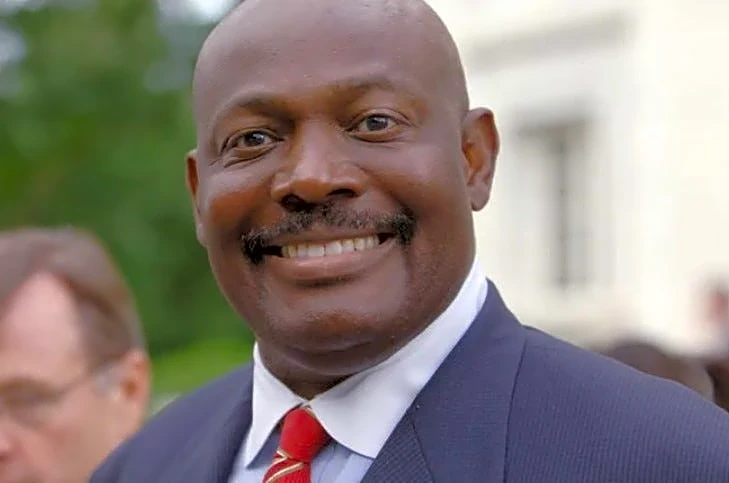
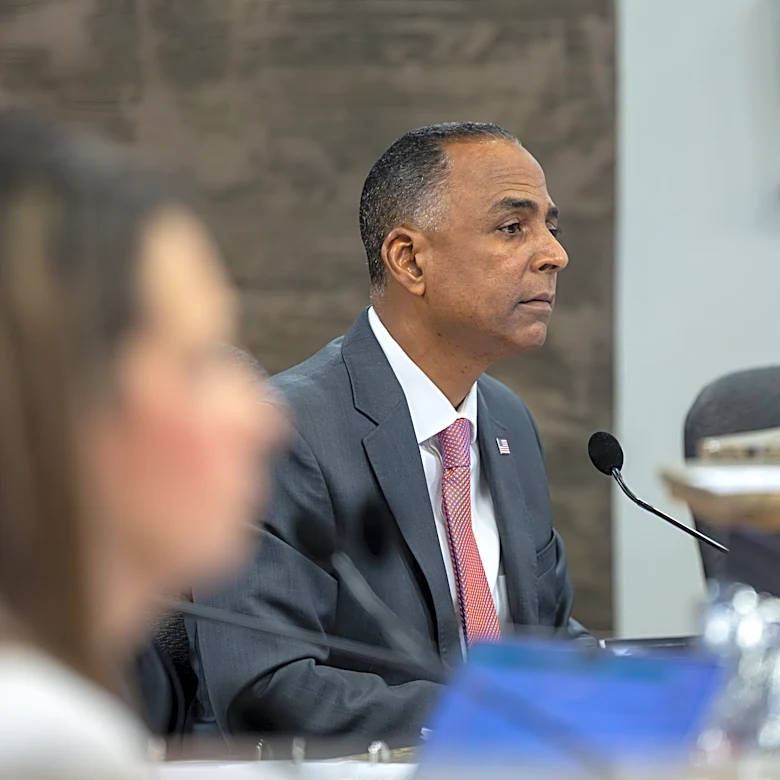
transfers enforcement jurisdiction over matters including internal revenue and healthcare fraud to the head of the National Fraud Enforcement Division, Colin McDonald. Attorney General Todd Blanche is also delegating to McDonald the control over opening special grand juries nationwide. The new regulation further allows the Fraud Division to prosecute criminal offenses beyond fraud that may arise during investigations into its core priorities. This policy change represents a continuation of the Trump administration's emphasis on combating fraud involving public funds, a focus that has resonated with President Trump's base and is being closely monitored by Vice President JD Vance and President Trump adviser Stephen Miller.
Why It's Important?
This shift in authority within the Justice Department is highly significant, as it centralizes power in a relatively new division and potentially alters the landscape of federal criminal prosecutions. By granting the National Fraud Enforcement Division broader jurisdiction and the ability to initiate special grand juries, the Trump administration is signaling a heightened focus on fraud cases, particularly those involving public funds. This could lead to more aggressive and widespread investigations and prosecutions in these areas. The move also reflects an ongoing internal 'turf battle' within the DOJ, with the administration amplifying an anti-fraud focus. The increased powers of the Fraud Division, coupled with the reduced authority of the Criminal Division chief, could reshape the department's priorities and resource allocation, potentially impacting other areas of federal law enforcement. This development is particularly notable given the pressure from Vice President Vance to criminally investigate state officials for allegedly failing to address systemic public benefits fraud.
What's Next?
The implementation of this new rule next week will likely lead to an immediate increase in the National Fraud Enforcement Division's activity, with a potential surge in investigations and prosecutions related to internal revenue, healthcare, and other forms of public funds fraud. The division's ability to open special grand juries anywhere in the country grants it considerable operational flexibility. This expansion of power could also lead to further internal adjustments within the Justice Department as the Criminal Division adapts to its reduced scope. Political reactions are anticipated, with proponents of the rule likely highlighting its potential to combat fraud more effectively, while critics may raise concerns about the centralization of power and potential for politically motivated investigations. The rule's broad language, allowing the Fraud Division to take on unspecified other cases, suggests that its mandate could continue to expand, making its future trajectory a key area of observation for legal and political analysts.
Beyond the Headlines
The restructuring of power within the Justice Department, particularly the elevation of the National Fraud Enforcement Division, carries deeper implications for the rule of law and the separation of powers. By concentrating significant prosecutorial authority in a division closely aligned with the White House's priorities, there's a potential for increased political influence over federal investigations. This could raise concerns about the independence of the Justice Department and whether prosecutorial decisions are driven by legal merits or political expediency. The emphasis on public benefits fraud, while seemingly benign, could also be interpreted as a strategic move to target specific demographics or political opponents, especially given the pressure from Vice President Vance. This shift could set a precedent for future administrations to reorganize the DOJ in ways that align with their political agendas, potentially eroding the traditional non-partisan role of federal law enforcement and fostering a climate where justice is perceived as a tool of political power rather than an impartial arbiter.