







What's Happening?
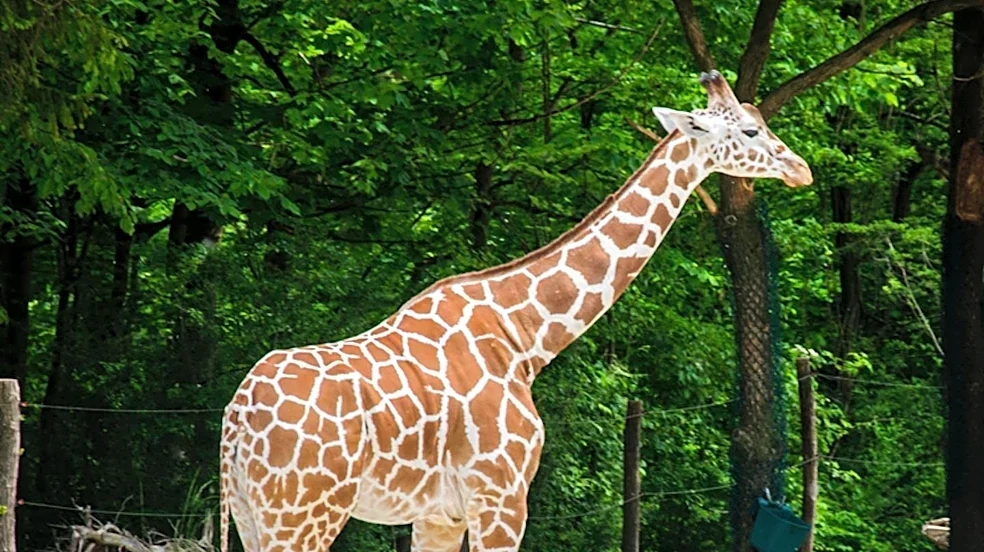
The Hattiesburg Zoo in Mississippi has welcomed a new giraffe named Rahisi, who arrived from the Memphis Zoo on October 7th. Rahisi, who is nearly 11 months old and stands ten feet tall, is joining the zoo's two female giraffes. He has been selected as a potential
future breeding male for the Hattiesburg Zoo. The zoo anticipates that Rahisi will need to reach approximately five years of age before breeding will be considered. In the interim, Rahisi is in the process of acclimating to his new environment and becoming familiar with the other giraffes in his enclosure. This addition is part of the zoo's ongoing animal management and conservation efforts, focusing on the well-being and future propagation of the species within its care. The transfer and integration of such animals are carefully managed to ensure their health and successful adaptation to new surroundings.
Why It's Important?
The arrival of Rahisi at the Hattiesburg Zoo is significant for several reasons, primarily related to animal conservation and public education. As a potential future breeding male, Rahisi plays a crucial role in the genetic diversity and sustainability of giraffe populations in captivity, contributing to broader conservation programs. Zoos often participate in Species Survival Plans (SSPs) to manage the breeding of endangered or threatened species, ensuring healthy and genetically diverse populations. For the Hattiesburg Zoo, this new addition enhances its animal collection, potentially drawing more visitors and offering expanded educational opportunities about giraffes and their natural habitats. Increased visitation can also boost local tourism and economic activity. Furthermore, the presence of a young giraffe provides a unique opportunity for the community to observe and learn about these magnificent animals, fostering a greater appreciation for wildlife and conservation efforts.
What's Next?
Rahisi's immediate future involves continued acclimatization to his new home at the Hattiesburg Zoo. Zoo staff will closely monitor his integration with the two female giraffes and ensure he is settling comfortably into his enclosure. The zoo will likely continue to provide updates on his progress to the public, potentially through social media or press releases. Over the next few years, the focus will be on his growth and development, as breeding is not anticipated until he reaches approximately five years of age. This period will allow Rahisi to mature and establish himself within the herd. The zoo may also plan educational programs or special viewing opportunities centered around Rahisi to engage visitors and highlight the importance of giraffe conservation. Long-term, his role as a breeding male will be critical for the zoo's contribution to giraffe population management.
Beyond the Headlines
The transfer of animals like Rahisi between zoos highlights the complex and collaborative nature of modern zoological institutions. These transfers are not merely about moving animals but are often part of meticulously planned Species Survival Plans (SSPs) designed to maintain genetic diversity and healthy populations of species that might be vulnerable or endangered in the wild. The ethical considerations of animal welfare, including stress during transport and adaptation to new environments, are paramount. Zoos also serve as vital educational hubs, raising public awareness about conservation challenges and inspiring action. The success of Rahisi's integration and eventual breeding could contribute significantly to the long-term viability of giraffe populations under human care, underscoring the critical role zoos play in global conservation efforts beyond simply exhibiting animals.