
What's Happening?
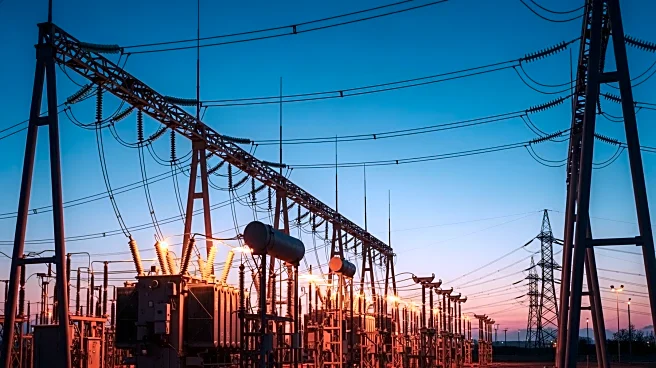
Israel is experiencing a significant increase in electricity demand, projected to grow at an annual rate of 3.5% through 2050. This surge is driven by the country's ambition to become a hub for data centers
and its transition towards electric vehicles and industrial electrification. Despite having world-class climate and clean-technology companies, Israel's infrastructure is struggling to keep pace with these demands. The country's electricity system remains highly centralized with limited transmission capacity, making it vulnerable to security threats and system failures. Additionally, Israel's waste management and public transportation systems are underdeveloped, contributing to environmental and economic challenges.
Why It's Important?
The infrastructure challenges in Israel highlight the gap between technological innovation and practical implementation. As a leader in climate-tech, Israel's inability to deploy its technologies domestically limits its potential for economic growth and environmental sustainability. The country's infrastructure constraints pose risks to its energy security and resilience, particularly in the face of climate change. Addressing these challenges is crucial for Israel to maintain its competitive edge in the global clean-tech market and to ensure sustainable development. The situation underscores the importance of coordinated national action to modernize infrastructure and integrate renewable energy solutions.
What's Next?
Israel needs to prioritize strengthening its electricity grid and expanding its renewable energy capacity to meet growing demand. Comprehensive waste management legislation and investment in public transportation infrastructure are also necessary to address environmental and economic issues. The government may need to implement policies that support the integration of renewable energy and storage solutions, as well as promote sustainable urban development. As climate change intensifies, Israel's infrastructure must be designed to withstand extreme weather events and ensure long-term resilience.