




What's Happening?
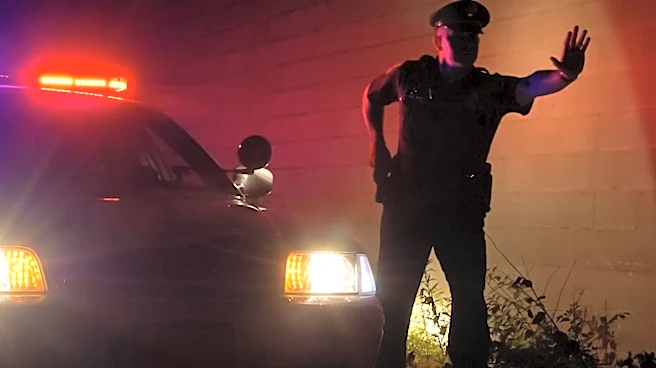
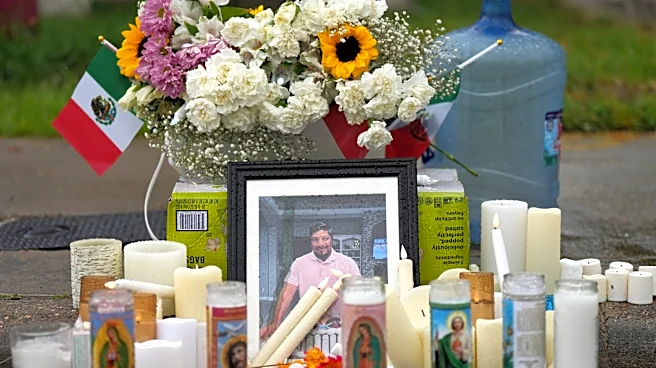
There is growing pressure on U.S. Immigration and Customs Enforcement (ICE) to withdraw from American streets following the fatal shootings of two men by ICE agents. The incidents involved Joan Sebastián Durán Guerrero in Maine and Lorenzo Salgado Araujo
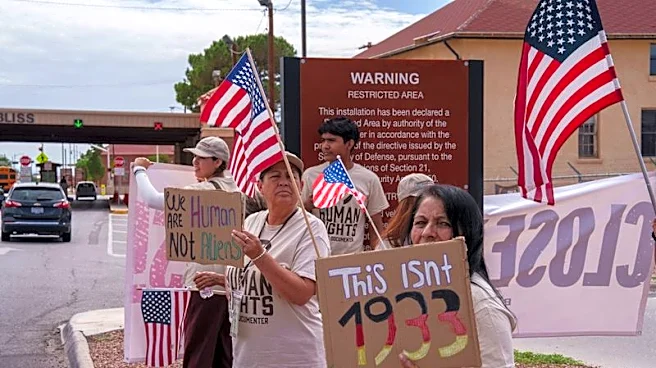
in Texas, neither of whom were the intended targets of ICE operations. Advocacy groups and civil rights organizations have condemned the shootings as extrajudicial killings, calling for independent investigations and the removal of ICE from communities. The Department of Homeland Security (DHS) has temporarily halted vehicle stops by ICE agents while reviewing the incidents. Critics argue that ICE's practices contribute to fear and violence, urging Congress to limit the agency's jurisdiction and funding.
Why It's Important?
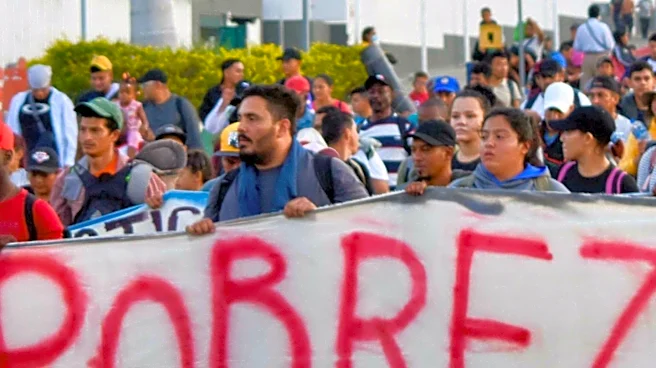
The fatal shootings have sparked a national debate on the role and practices of ICE, highlighting concerns about the agency's enforcement methods and accountability. The incidents have intensified calls for immigration reform and raised questions about the use of force by federal agents. The situation underscores the broader issues of racial profiling and the impact of immigration policies on communities. The response from advocacy groups and public officials may influence future policy decisions regarding ICE's operations and oversight.
What's Next?
The temporary suspension of vehicle stops by ICE is a short-term measure, but the broader implications could lead to significant policy changes. Ongoing investigations into the shootings may result in increased scrutiny of ICE's practices and potentially lead to reforms. Public pressure and advocacy efforts are likely to continue, with potential legislative actions aimed at curbing ICE's authority and improving accountability. The outcome of these discussions could shape the future of immigration enforcement in the U.S.