




What's Happening?
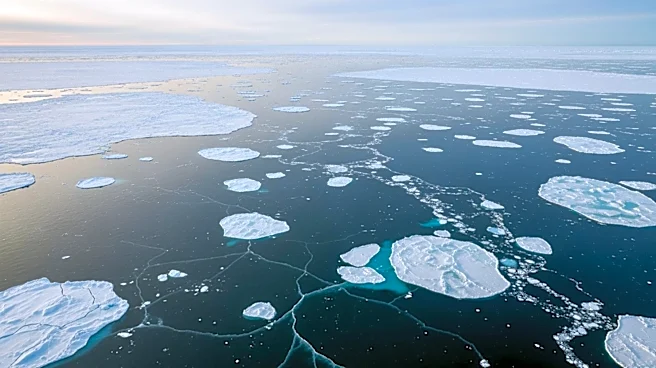
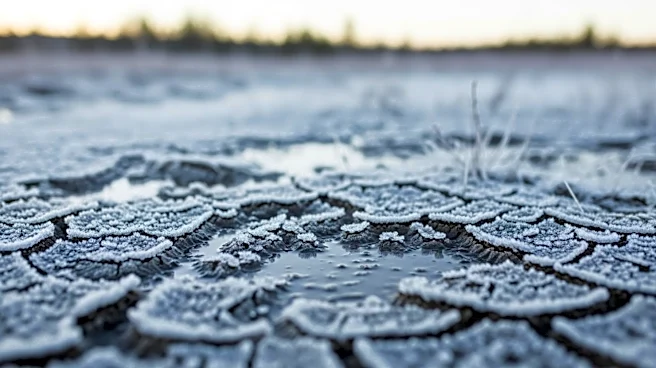
A new study led by geoscientist Michael Rawlins from the University of Massachusetts Amherst reveals significant environmental changes in Alaska due to permafrost thawing. The research focuses on Alaska's North Slope, where thawing permafrost is altering
waterways and increasing carbon runoff into the Beaufort Sea. The study, which analyzed 44 years of data, highlights the deepening of the permafrost's active layer, leading to more groundwater and carbon entering Arctic rivers. This change is affecting the region's ecosystem and contributing to global warming.
Why It's Important?
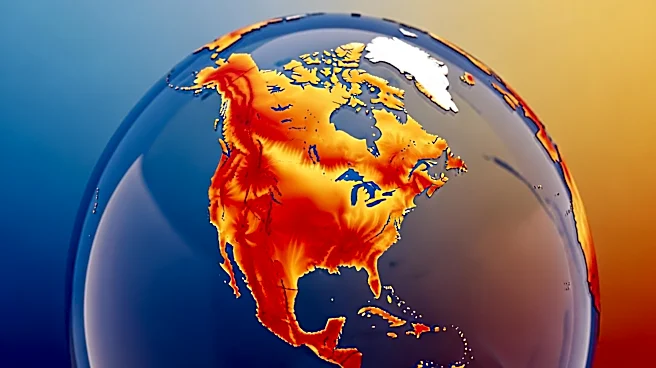
The thawing of permafrost in Alaska has far-reaching implications for the environment and climate change. As permafrost thaws, it releases stored carbon into the atmosphere, exacerbating global warming. The changes in water and carbon flow can alter the chemistry and ecosystems of the Arctic Ocean, impacting biodiversity and local communities. This research underscores the urgent need for more studies on land-to-ocean carbon cycles to better understand and mitigate the effects of climate change.
What's Next?
Researchers will continue to study the impacts of permafrost thaw on Arctic ecosystems. The findings may inform conservation efforts and policy decisions aimed at mitigating climate change effects. There is a need for increased monitoring and data collection in the region to improve understanding of these environmental changes. The study's data could be valuable for stakeholders interested in preserving coastal ecosystems in northern Alaska.