




What's Happening?
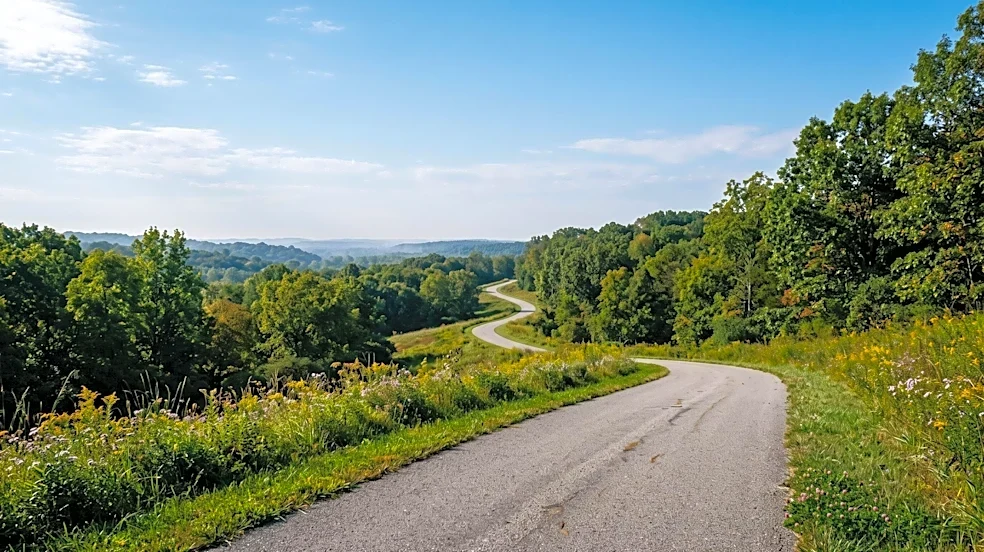
The Rails to Trails Conservancy is making significant progress on the Great American Rail-Trail, an ambitious project aiming to connect over 150 existing rail-trails, greenways, and other paths across more than 3,700 miles from Washington, D.C., to the Pacific
Ocean. Over half of the proposed route is already completed, including major sections in Pennsylvania, Maryland, Ohio, and Washington State. NPR correspondent Joel Rose and producer Rolando Arrieta recently toured parts of the trail in western Pennsylvania, West Virginia, and Ohio, highlighting the transformation of former rail corridors into multi-use trails for bicycles and pedestrians. Kevin Belle, project director for the Great American Rail-Trail, explained that these trails offer gentle inclines and pass through towns, providing economic benefits to local communities. Brandi Horton, VP of communications for the Conservancy, noted the rapid growth of multi-use trails since the Railbanking Act of 1983, which protected these corridors from development.
Why It's Important?
The Great American Rail-Trail project holds significant importance for U.S. society, economy, and public policy. Economically, these trails serve as drivers for local economies, bringing tourism and business to small towns located along the routes, as evidenced by the ice cream stand in Paradise, Pennsylvania. Socially, they provide accessible recreational opportunities for a wide range of people, promoting physical activity and community engagement. Environmentally, the conversion of abandoned rail lines into greenways preserves natural corridors and promotes sustainable transportation. The project also showcases a successful model of public-private partnership and volunteerism, with local councils and conservation districts playing crucial roles in development and maintenance. The Railbanking Act of 1983 was a pivotal policy decision that enabled this movement, demonstrating how legislative foresight can lead to long-term public benefits by repurposing infrastructure.
What's Next?
The Rails to Trails Conservancy will continue its efforts to complete the remaining sections of the Great American Rail-Trail, particularly focusing on challenging gaps in states like Wyoming and Montana where significant segments are yet to be built or even planned. This will involve ongoing fundraising, community engagement, and collaboration with various levels of government and volunteer organizations. The Conservancy also aims to raise awareness about these uncompleted sections to garner further support and resources. As more sections are completed, the economic and social benefits to connected communities are expected to grow, potentially encouraging other regions to invest in similar infrastructure projects. The long-term vision is to create a fully connected transcontinental trail, which would serve as a major national recreational asset and a testament to sustainable infrastructure development.
Beyond the Headlines
Beyond its immediate benefits, the Great American Rail-Trail project represents a broader shift in how the U.S. views and utilizes its infrastructure. It embodies a philosophy of repurposing and revitalization, transforming industrial relics into public amenities that enhance quality of life and foster community connections. The project highlights the power of grassroots movements and volunteer efforts in achieving large-scale public works, demonstrating that significant progress can be made through persistent local engagement. Ethically, it underscores the value of preserving historical corridors for future generations, ensuring that past transportation networks continue to serve a public good in new forms. Culturally, these trails foster a sense of national connection, allowing people to experience diverse landscapes and communities across the country in a unique and intimate way, promoting a shared appreciation for America's natural and historical heritage.