





What's Happening?
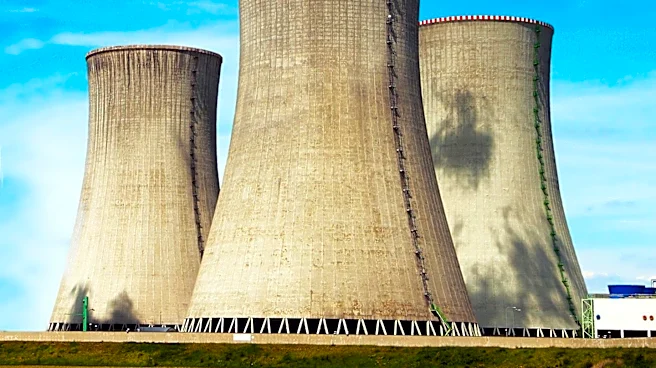
The Zaporizhzhia nuclear power plant in Ukraine has been without off-site power for over a week and is currently operating on emergency diesel generators, according to the International Atomic Energy Agency (IAEA). The plant requires power to maintain
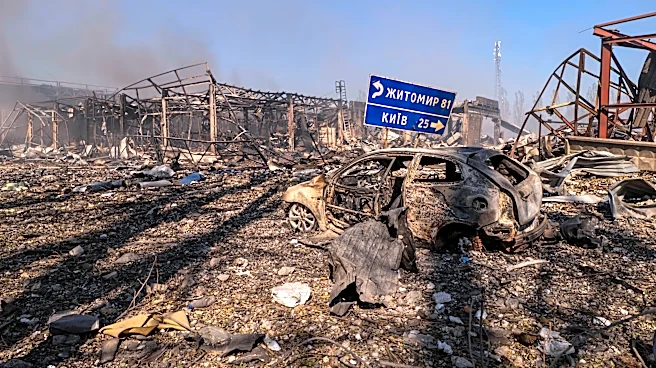
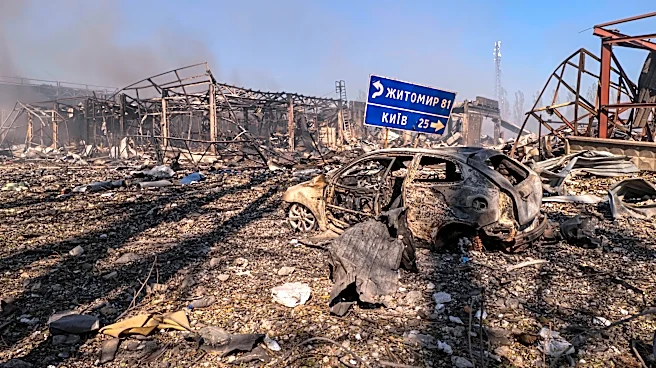
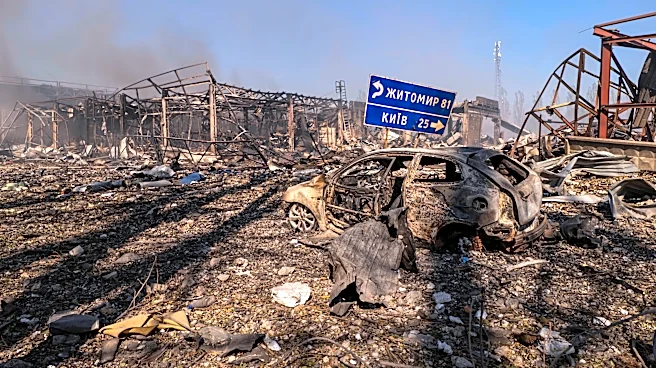
the cooling systems for its six non-operating reactors and possesses only a ten-day supply of diesel on site. Although the plant had not received off-site diesel deliveries for approximately six months, it was supplied with diesel from another location on Thursday and Friday. The IAEA reported three drone-related incidents at the plant this week, resulting in injuries to two employees and heightening safety concerns. The Russian army seized the plant in March 2022, and both sides in the conflict frequently accuse each other of attacking the facility, which is situated on the banks of the Dnipro River.
Why It's Important?
The reliance of the Zaporizhzhia nuclear power plant on emergency diesel generators highlights a critical and ongoing nuclear safety risk. The continuous need for external power to cool the reactors, even when shut down, underscores the fragility of the plant's operational stability amidst military conflict. A prolonged loss of off-site power combined with a depletion of diesel fuel could lead to a catastrophic meltdown, similar to the Fukushima disaster. The reported drone incidents further exacerbate these concerns, demonstrating the direct threat of military activity to the plant's infrastructure and personnel. This situation poses a significant international security challenge, as any major nuclear incident at Zaporizhzhia would have far-reaching environmental and humanitarian consequences beyond Ukraine's borders, potentially affecting neighboring European countries and beyond. The IAEA's efforts to negotiate a local ceasefire for electrical line repairs illustrate the urgent need for de-escalation and a secure environment around the plant to prevent a nuclear catastrophe.
What's Next?
The IAEA is actively attempting to negotiate a local ceasefire to facilitate repairs to the electrical lines that supply the Zaporizhzhia plant with off-site power. The agency emphasizes the critical importance of reliable external power and secure supply routes for nuclear safety and security. Continued monitoring by IAEA teams, who have maintained a permanent presence at the plant since September 2022, will be crucial in assessing the situation and reporting any further developments. The international community will likely maintain pressure on both sides of the conflict to ensure the safety and security of the plant. The ongoing accusations between Ukrainian and Russian forces regarding attacks on the site suggest that achieving a lasting ceasefire and ensuring the plant's long-term stability will remain a complex and challenging diplomatic endeavor.
Beyond the Headlines
The precarious situation at the Zaporizhzhia nuclear power plant extends beyond immediate safety concerns, touching upon broader issues of international law, the ethics of warfare, and the long-term implications of conflict in proximity to critical infrastructure. The seizure of a nuclear facility by military forces and the subsequent ongoing hostilities challenge established norms of nuclear safety and non-proliferation. It raises questions about accountability for potential environmental damage and the responsibility of states to protect civilian infrastructure, especially those with high-risk profiles. The repeated loss of external power and the drone attacks underscore the vulnerability of modern industrial sites in conflict zones, prompting a re-evaluation of international protocols for safeguarding such facilities. This situation could set a dangerous precedent for future conflicts, highlighting the need for stronger international frameworks to prevent nuclear installations from becoming targets or collateral damage in warfare.