




What's Happening?
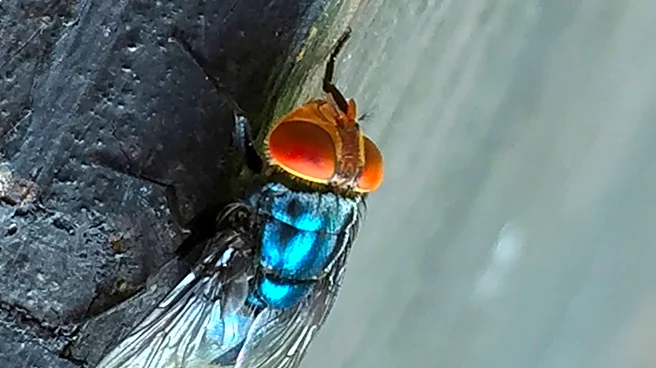
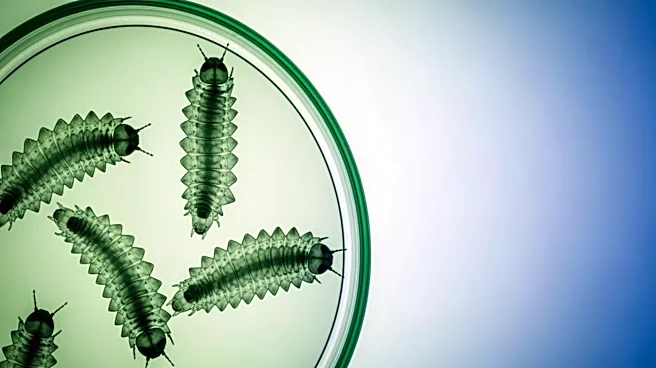
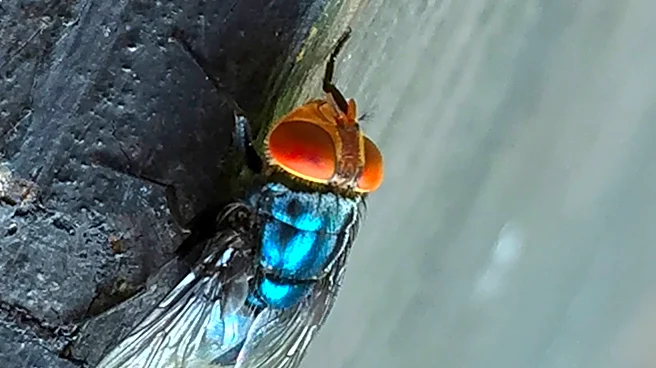
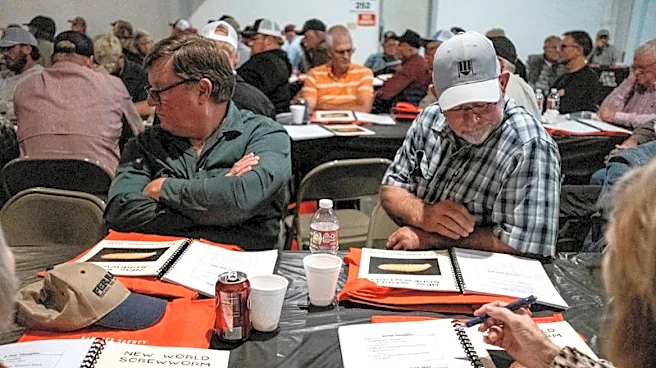
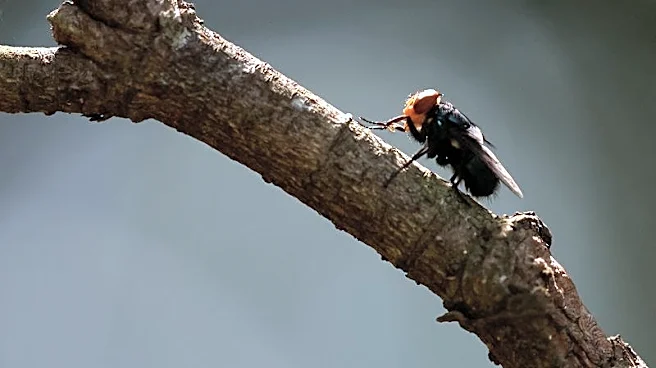
The New World screwworm, a flesh-eating parasite, poses a renewed threat to pets, wildlife, and potentially humans in the U.S. The parasite, which was eradicated from the U.S. decades ago, has been detected in a Texas calf, raising concerns about its
reintroduction. Federal agencies, including the USDA, have tightened import controls to mitigate the risk, particularly for animals coming from affected regions. Dogs entering the U.S. from these areas must have health documents certifying they are free of the parasite or have been treated. Additional inspections are conducted at the border. The parasite can cause severe pain and infection in pets, with untreated infestations potentially leading to death. While the risk to pets within the U.S. remains low, vigilance is advised for animals that have traveled from high-risk areas.
Why It's Important?
The reemergence of the screwworm poses a significant threat to the U.S. livestock and pet industries. The parasite's ability to infect multiple species, including pets and wildlife, makes it a multi-sector threat. Economic losses could be substantial if the parasite spreads, affecting agriculture and ecosystems. The USDA's proactive measures aim to prevent a widespread outbreak, which could lead to increased veterinary costs and stricter import regulations. The situation underscores the importance of maintaining robust biosecurity measures to protect domestic animals and prevent economic disruptions.
What's Next?
The USDA will continue to monitor the situation closely, with potential for further tightening of import controls if the threat escalates. Pet owners are advised to remain vigilant for signs of screwworm infestation, especially in animals that have traveled from affected regions. The agency may also increase public awareness campaigns to educate pet owners about the risks and necessary precautions. Collaboration with international partners may be necessary to control the parasite's spread in neighboring countries, reducing the risk of reintroduction into the U.S.