






What's Happening?
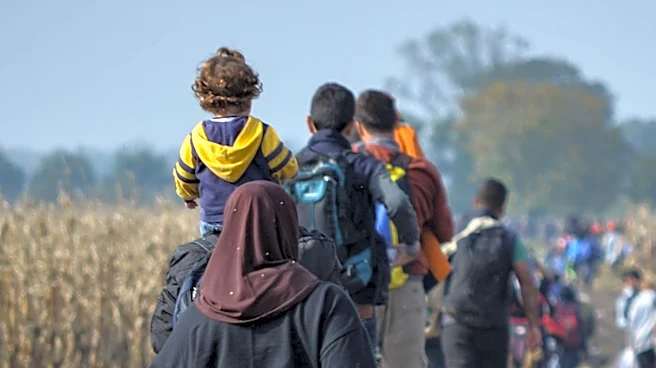
A new book titled 'The Last Free Women: A Daring Escape from Afghanistan & Coming of Age in America' co-written by Rebecca Blumenstein and Diana Kapp, chronicles the stories of four Afghan women who fled their homeland following the Taliban's rapid takeover
in 2021. Among them is Samira Rustami, who, like many others, faced severe restrictions under the Taliban, including limitations on education and freedom. The book details the chaotic evacuation efforts, particularly those led by the New York Times to relocate its Afghan staff and their families, many of whom were women. These refugees entered the U.S. under humanitarian parole, a status not widely used since the Vietnam War. While some have obtained green cards, many, including Rustami, face uncertain legal futures due to an indefinite pause in the review process for Afghans, following an incident involving a former CIA-linked Afghan unit member. Rustami, now in Pittsburgh, is pursuing nursing studies at UPMC Shadyside School of Nursing and Chatham University, while her husband also studies at Chatham and works at PNC.
Why It's Important?
This book and the experiences of the Afghan women it profiles shed light on the profound human cost of the Taliban's return to power and the subsequent challenges faced by refugees seeking a new life in the U.S. The stories underscore the critical importance of humanitarian efforts and the complexities of refugee resettlement, particularly concerning legal status and integration into American society. For the U.S., the indefinite pause in the review process for Afghan humanitarian parolees highlights significant policy and ethical dilemmas. It raises questions about the nation's commitment to those who aided U.S. efforts in Afghanistan and the broader implications for immigration policy. The struggles of these women to rebuild their lives, pursue education, and contribute to American society, despite legal uncertainties, demonstrate their resilience and the potential contributions of refugees. The book also serves as a poignant reminder of the ongoing human rights crisis in Afghanistan, particularly the severe restrictions on women's education and freedom, which directly contrasts with the opportunities sought by these refugees in the U.S.
What's Next?
The legal status of many Afghan humanitarian parolees in the U.S., including those profiled in the book, remains uncertain due to the indefinite pause in their review process. This situation will likely continue to be a focal point for advocacy groups and policymakers, pushing for clearer pathways to permanent residency. The book's publicity tour, including appearances on national media, is expected to raise public awareness and potentially influence policy discussions regarding Afghan refugees and broader immigration issues. The experiences of individuals like Samira Rustami, who are actively pursuing education and careers, will continue to highlight the value and potential of refugee communities. However, the broader climate for immigrants and refugees in the U.S. remains challenging, with ongoing debates about deportation and asylum policies. The long-term integration and success of these Afghan women will depend on both their individual efforts and the evolving legal and social support structures available to them in the U.S.
Beyond the Headlines
The stories of these Afghan women delve into the deeper psychological and cultural impacts of displacement and the arduous process of acculturation. Beyond the immediate legal and economic challenges, refugees often grapple with trauma, loss of identity, and the complexities of navigating a new cultural landscape. The book implicitly explores the ethical responsibility of nations, particularly those involved in conflicts, to provide sanctuary and support to those displaced by their interventions. The contrast between the opportunities available to women in the U.S. and the severe restrictions in Afghanistan highlights a fundamental clash of values and human rights principles. The indefinite pause in legal processing for some Afghans also raises questions about fairness and consistency in immigration policies, potentially creating a sense of limbo and exacerbating mental health challenges for those affected. Ultimately, these narratives serve as a powerful reminder that the consequences of geopolitical events extend far beyond headlines, profoundly shaping individual lives and challenging societies to uphold humanitarian values.