

What's Happening?
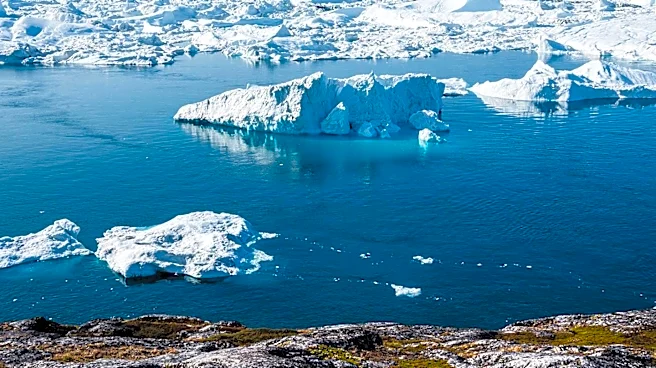
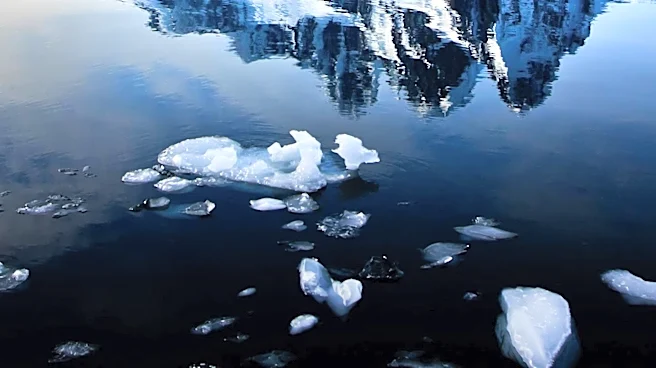
The Arctic region, a critical component of global carbon storage, is experiencing warming at a rate several times higher than the global average. This accelerated warming poses a significant threat to the region's carbon sinks, particularly the vast amounts
of carbon stored in tundra soils. The Arctic Monitoring and Assessment Program (AMAP) and the Conservation of Arctic Flora and Fauna (CAFF) are jointly assessing the impacts of climate change on Arctic marine, coastal, freshwater, and terrestrial ecosystems, and the associated climate feedbacks. Their work aims to synthesize existing literature on the linkages between biodiversity issues and climate feedbacks in these diverse Arctic environments. The focus is on understanding how biodiversity and ecosystems interact with physical climate feedback mechanisms, bridging the gap between biodiversity concerns and ecosystem-atmosphere interactions. This includes examining changes in primary producer composition, ecosystem consequences of climate-induced changes in animal migration and phenology, and the net ecosystem carbon balance across different Arctic zones.
Why It's Important?
The disruption of Arctic carbon sinks has profound implications for global climate stability. As the Arctic warms, the permafrost thaws, potentially releasing vast quantities of stored carbon into the atmosphere in the form of greenhouse gases. This release would create a positive feedback loop, further accelerating global warming and exacerbating climate change impacts worldwide. The integrity of Arctic ecosystems is crucial for regulating global climate patterns and maintaining biodiversity. The loss of sea ice, changes in ocean currents, and alterations in terrestrial and aquatic ecosystems can have cascading effects on weather systems, marine life, and indigenous communities. Understanding these complex interactions is vital for developing effective mitigation and adaptation strategies to address the global climate crisis. The research by AMAP and CAFF is critical for informing policymakers and managers about the urgent need to protect these vulnerable ecosystems.
What's Next?
The ongoing research by AMAP and CAFF will continue to explore various aspects of Arctic climate change impacts. Future work will delve into catchment-scale studies of whole ecosystem dynamics, trophic interactions and future climate feedbacks, and the effects of ecosystem disturbance, permafrost thaw, and extreme climatic events on Arctic biodiversity and climate. Modeling efforts will integrate Arctic biodiversity and ecosystem process models with climate models to provide more accurate predictions. The concept of 'borealization' of Arctic ecosystems, where southern species expand their range northward, will also be a key area of investigation. Ultimately, an editorial will be produced to serve as an executive summary for policymakers, drawing conclusions and offering advice based on the research findings. This will include key findings, policy implications, and expectations for the future of the Arctic.
Beyond the Headlines
The rapid warming of the Arctic highlights a critical ethical and intergenerational challenge. The consequences of Arctic carbon release will not only affect current generations but will also have long-lasting impacts on future generations globally. The scientific community's efforts to understand and communicate these complex feedbacks underscore the urgency of global cooperation in reducing greenhouse gas emissions. Furthermore, the changes in Arctic ecosystems have significant cultural implications for indigenous communities whose livelihoods and traditions are deeply intertwined with the health of the environment. The potential for irreversible changes to the Arctic landscape and its ecosystems raises questions about humanity's responsibility to protect vulnerable regions and the global commons. The research also emphasizes the interconnectedness of Earth's systems, demonstrating how regional changes can have far-reaching global consequences.