
What's Happening?
Japan's Environment Ministry announced a significant reduction in greenhouse gas emissions for fiscal year 2024, marking a record low of approximately 1,046 million tons of carbon dioxide equivalent. This
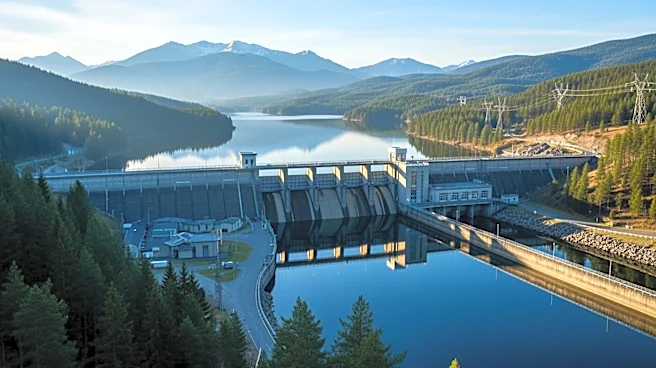
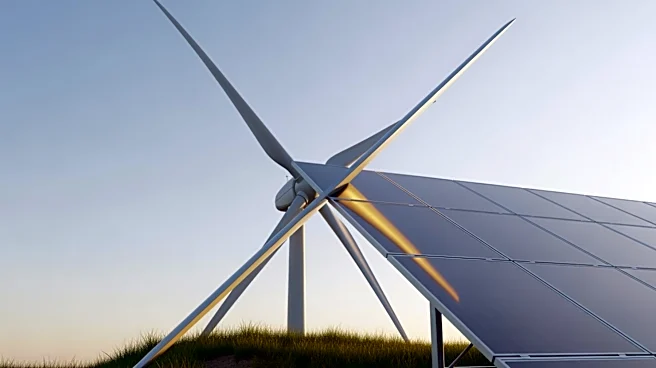
represents a 1.9% decrease from the previous year. The decline is attributed to increased utilization of renewable and nuclear energy sources, alongside a reduction in manufacturing output. Net emissions, accounting for absorptions by forests and other carbon sinks, also fell by 1.9% to about 994 million tons, dipping below 1 billion tons for the first time since fiscal 2013. The Japanese government is targeting a 46% reduction in emissions by fiscal 2030 from the 2013 levels, aiming for carbon neutrality by 2050.
Why It's Important?
The reduction in greenhouse gas emissions is a critical step towards Japan's ambitious climate goals, including achieving carbon neutrality by 2050. This development highlights Japan's commitment to transitioning towards sustainable energy sources, which could serve as a model for other nations grappling with climate change. The shift to renewable and nuclear energy not only helps in reducing emissions but also positions Japan as a leader in sustainable energy practices. The decrease in manufacturing output, while contributing to lower emissions, may have economic implications, potentially affecting industrial growth and employment. However, the overall environmental benefits could outweigh these challenges, promoting long-term sustainability and resilience against climate change.