





What's Happening?
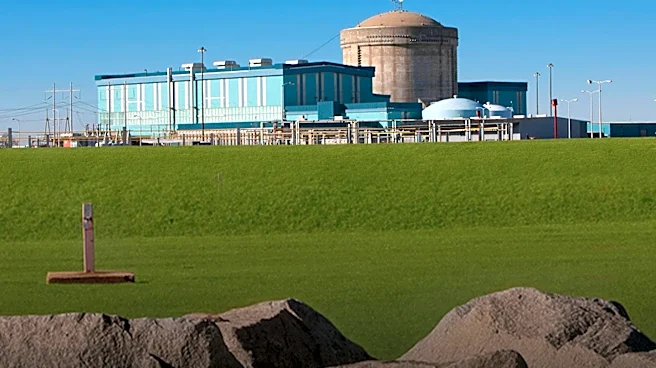
Residents of Port Hope, Ontario, are expressing strong resistance to Ontario Power Generation's (OPG) proposal to build what could become the world's largest nuclear power plant in their community. The town has a long and troubled history with radioactive
materials, stemming from a radium refinery plant that operated there since the 1930s, which later refined uranium for the Manhattan Project. Over decades, contaminated soil and materials were dumped across Port Hope, used in construction of homes, parks, and roads. A $2.6-billion cleanup initiative, the Port Hope Area Initiative, is currently underway to remediate historic low-level radioactive waste. Despite assurances from OPG and local officials about modern safety standards, many residents, including Faye More and Sarah Sculthorpe, are outraged, citing the community's past exploitation and ongoing cleanup efforts as reasons to oppose a new nuclear facility.
Why It's Important?
This situation highlights the complex challenges and public trust issues surrounding nuclear energy development, even in the context of addressing climate change and energy security. For the U.S., which is also exploring nuclear power expansion, the Port Hope case serves as a critical example of how historical environmental legacies can profoundly impact public acceptance and project feasibility. The resistance underscores the importance of transparent communication, robust community engagement, and addressing past grievances when proposing large-scale infrastructure projects, particularly those with perceived environmental risks. The debate also touches upon the balance between national energy needs and local community concerns, and how regulatory frameworks are perceived by affected populations. The potential for legal challenges and sustained community activism could delay or even halt such projects, influencing investment decisions and policy approaches in the nuclear sector across North America.
What's Next?
OPG plans to seek construction and operation licenses for the Port Hope project in the 2030s, with operations potentially beginning in the 2040s. However, residents are actively organizing, with Faye More heading a local committee focused on health concerns and lobbying the government to reverse its decision. A petition has been sent to Canada's auditor general seeking protection under the upcoming National Strategy Respecting Environmental Racism and Environmental Justice, and legal action remains a potential option. The mayor of Port Hope has stated that the proposal is in early review stages, with a comprehensive assessment of environmental, health, social, and economic impacts underway. The ongoing cleanup of historic radioactive waste is expected to continue for several more years, with full remediation of private properties anticipated by 2032. The outcome of these community efforts and regulatory reviews will determine the future of the proposed nuclear plant.
Beyond the Headlines
The Port Hope controversy delves into deeper societal questions about environmental justice and the equitable distribution of environmental burdens. The community's feeling of being 'expendable' due to its long history with the nuclear industry raises ethical concerns about how decisions regarding hazardous industries are made and who bears the brunt of their impacts. The case also highlights the psychological and social dimensions of living with a radioactive legacy, where past experiences of contamination breed deep-seated distrust in official assurances. This situation could influence the development of environmental justice policies and community engagement strategies for future energy projects, not just in Canada but also in the U.S. and globally. It underscores the need for a holistic approach that considers not only technical safety and economic benefits but also historical context, community well-being, and the long-term social contract between industries, governments, and affected populations.