

What's Happening?
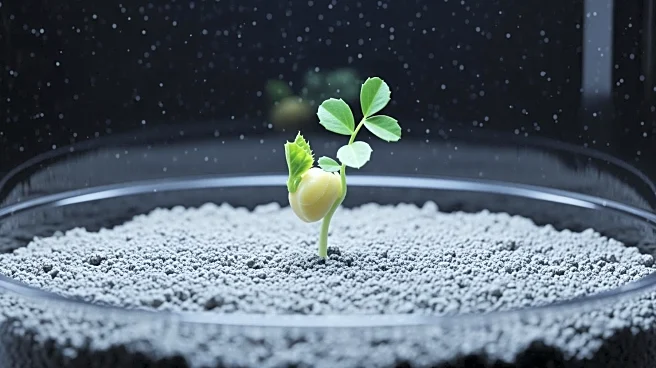
Scientists have made significant progress in space agriculture by successfully growing chickpeas in simulated lunar soil. The study, published in Scientific Reports, involved treating the lunar soil simulant, known as regolith, with symbiotic fungi and
worm-produced compost. This treatment improved the likelihood of chickpea plant reproduction. The regolith, which naturally lacks organic matter and microorganisms, was enhanced by the addition of arbuscular mycorrhizae fungi and vermicompost, a nutrient-rich fertilizer derived from worm composting. The research aims to address the challenges of growing crops on the moon, where the soil contains high concentrations of metals and lacks the microbiome found in Earth soils. The study's findings suggest that with the right treatment, lunar soil can support plant growth, paving the way for future lunar agriculture.
Why It's Important?
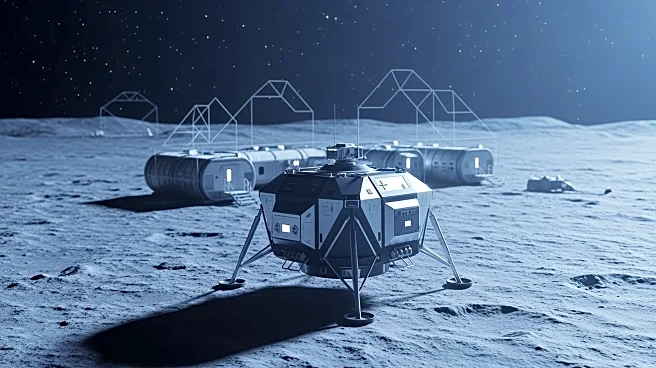
This development is crucial for the future of space exploration and potential lunar colonization. The ability to grow crops on the moon could significantly reduce the need for transporting food from Earth, making long-term lunar missions more sustainable. This research also contributes to the broader field of astrobiology and the study of life in extraterrestrial environments. By demonstrating that lunar soil can be transformed into a viable growth medium, the study opens up possibilities for cultivating a variety of crops on the moon, which could support human life and scientific research in space. The success of this experiment could lead to further innovations in space agriculture, potentially benefiting Earth-based agriculture through the development of new techniques and technologies.
What's Next?
The next steps involve testing the sustainability of the lunar soil simulant and determining how many generations of plants can be grown in it. Researchers will also assess the nutritional content and safety of the harvested seeds, particularly their metal accumulation levels. These studies will help refine the techniques for growing crops on the moon and ensure that they are safe for human consumption. Additionally, the findings could inform NASA's upcoming Artemis missions, which aim to establish a sustainable human presence on the moon. As the research progresses, it may lead to collaborations with space agencies and private companies interested in space agriculture.