


What's Happening?
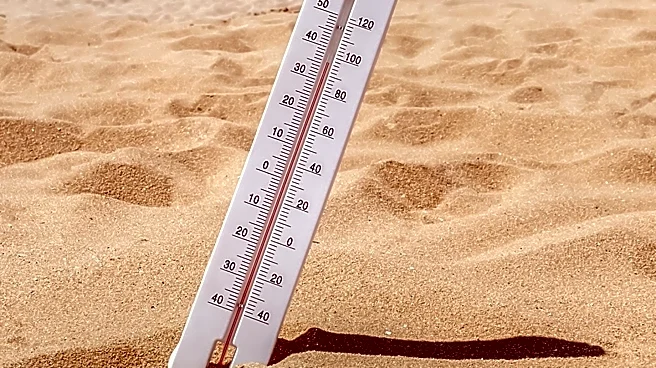
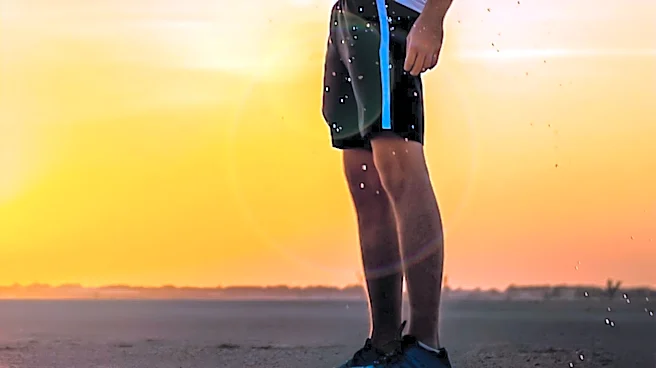
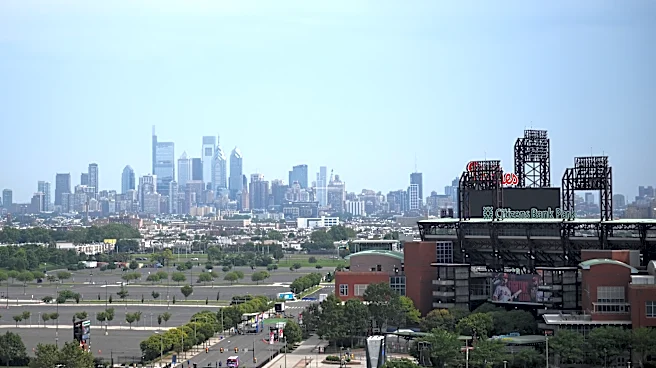
During the July Fourth celebrations on Philadelphia's Benjamin Franklin Parkway, attendees are utilizing water stations and misting areas to combat the effects of a historic heat wave. These measures are part of the city's efforts to ensure the safety
and comfort of those participating in the festivities. The heat wave has brought unusually high temperatures to the area, prompting city officials to implement these cooling solutions. The event, which draws large crowds, is a significant part of the city's Independence Day celebrations, and the provision of these facilities aims to prevent heat-related illnesses among attendees.
Why It's Important?
The implementation of cooling measures during the July Fourth celebrations in Philadelphia highlights the growing need for cities to adapt to extreme weather conditions. As climate change continues to influence weather patterns, cities across the U.S. are increasingly required to develop strategies to protect public health during events that attract large crowds. The use of misting areas and water stations not only provides immediate relief to attendees but also serves as a model for other cities facing similar challenges. This approach underscores the importance of proactive measures in urban planning to address the impacts of climate change on public events.
What's Next?
As extreme weather events become more frequent, cities like Philadelphia may need to invest in permanent infrastructure to manage heat waves and other climate-related challenges. This could include the installation of permanent misting stations in public areas and the development of comprehensive emergency response plans for large gatherings. Additionally, city officials may consider collaborating with health experts to monitor the effectiveness of these measures and make data-driven decisions for future events. The success of these initiatives could influence other municipalities to adopt similar strategies, promoting a nationwide effort to enhance public safety during extreme weather conditions.