







What's Happening?
A new study published in the journal Clinical Nutrition ESPEN, analyzing data from 12,000 participants in the National Health and Nutrition Examination Survey (NHANES), has found a significant link between higher dietary fiber intake and a lower risk
of depressive symptoms. The research, co-authored by Zohra Lassi, PhD, an associate professor in the School of Public Health at Adelaide University, revealed that for every additional five grams of fiber consumed daily before the COVID-19 pandemic, there was a 14 percent lower risk of experiencing depression symptoms. While the association weakened slightly during the pandemic for the overall group, it remained consistent for women. The study also noted a decrease in average daily fiber intake among participants during the pandemic, from 16.52 grams to 15.95 grams, falling short of the recommended 25 to 38 grams per day for adults.
Why It's Important?
This study is important for U.S. public health as it highlights a potential dietary intervention for mental well-being, a critical concern given that nearly 48 million Americans grapple with depression. The findings suggest that increasing fiber intake, a relatively simple and accessible lifestyle change, could complement traditional treatments like therapy and antidepressants. This could lead to broader public health campaigns promoting fiber-rich diets, potentially reducing the burden of mental health issues. For the food industry, this research might spur the development and marketing of more fiber-fortified products. Healthcare providers may also begin to incorporate dietary recommendations, specifically regarding fiber, into mental health care plans, offering a more holistic approach to patient treatment. The observed gender difference in the pandemic-era findings also warrants further investigation into how dietary factors might differentially impact mental health across demographics.
What's Next?
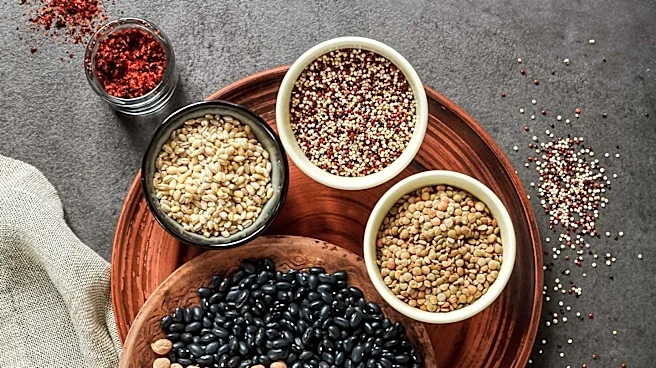
Future research will likely focus on establishing a causal link between fiber intake and mental health, potentially through longitudinal studies that track individuals over time and include biomarkers of inflammation and gut health. This will help clarify the mechanisms, such as the gut-brain axis, through which fiber may influence mood. Healthcare professionals may begin to more actively recommend increased fiber consumption as part of a comprehensive mental health strategy, emphasizing whole foods like vegetables, fruits, whole grains, beans, lentils, and nuts. Public health initiatives could launch educational campaigns to raise awareness about the mental health benefits of fiber and encourage Americans to meet recommended daily intake levels. The food industry might respond by innovating new products that are both high in fiber and appealing to consumers, further integrating this dietary component into everyday diets.
Beyond the Headlines
The study's findings delve into the intricate connection between diet, gut health, and mental well-being, underscoring the concept of the gut-brain axis. This biological pathway suggests that the health of our digestive system significantly impacts our brain function and emotional state. The emphasis on fiber, which acts as a prebiotic, feeding beneficial gut bacteria, highlights a less obvious but profound aspect of mental health. This research challenges the traditional view of mental health treatment as solely psychological or pharmacological, advocating for a more integrated approach that includes nutritional science. It also raises ethical considerations regarding how dietary recommendations are communicated to avoid oversimplification or the promotion of unproven supplements, as researchers caution against relying solely on fiber for depression treatment. This deeper understanding could lead to a paradigm shift in how mental health is perceived and managed, moving towards more holistic and preventative strategies.