








What's Happening?
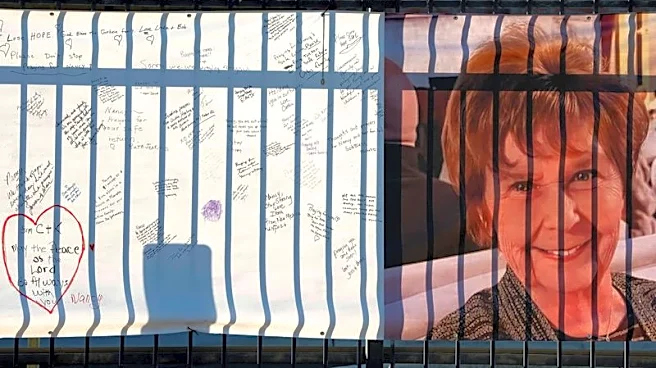
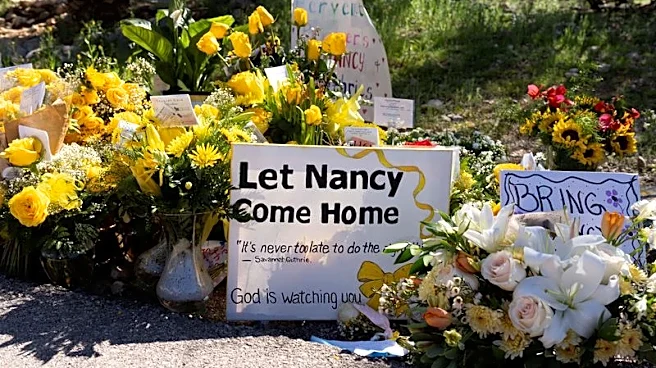
Derrick Callella, a resident of Hawthorne, has pleaded guilty to federal charges related to sending fake ransom notes to the family of Nancy Guthrie, the mother of 'Today' show co-host Savannah Guthrie. Nancy Guthrie, aged 84, disappeared from her Tucson
home on February 1, and her case has drawn significant national attention. Callella admitted to using a voice-over internet protocol to send messages demanding bitcoin as ransom, which were intended to harass the family. The FBI has been investigating the case as a kidnapping for ransom, with some ransom notes deemed legitimate while others are considered extortion attempts. Callella's plea includes charges of transmitting a demand for ransom in interstate commerce and using telecommunications to harass. He faces up to 10 years of probation, with sentencing scheduled for September 10.
Why It's Important?
This case highlights the complexities and challenges law enforcement faces in distinguishing between legitimate ransom demands and fraudulent attempts to exploit families in distress. The involvement of technology, such as voice-over internet protocols, complicates investigations and underscores the need for advanced cybercrime detection methods. The case also reflects broader societal issues, such as the exploitation of vulnerable individuals and families during crises. For the Guthrie family, the ordeal adds emotional distress to an already traumatic situation. The legal proceedings against Callella may serve as a deterrent to others considering similar fraudulent activities, emphasizing the legal consequences of such actions.
What's Next?
As the investigation into Nancy Guthrie's disappearance continues, the FBI remains focused on identifying the masked suspect seen in surveillance footage. The upcoming sentencing of Derrick Callella may provide closure on the aspect of fraudulent ransom notes, but the primary concern remains locating Nancy Guthrie. Law enforcement agencies are likely to continue their efforts in gathering evidence and following leads to resolve the case. The public and media attention on this case may also prompt discussions on improving support systems for families dealing with abductions and enhancing technological tools for law enforcement.