
What's Happening?
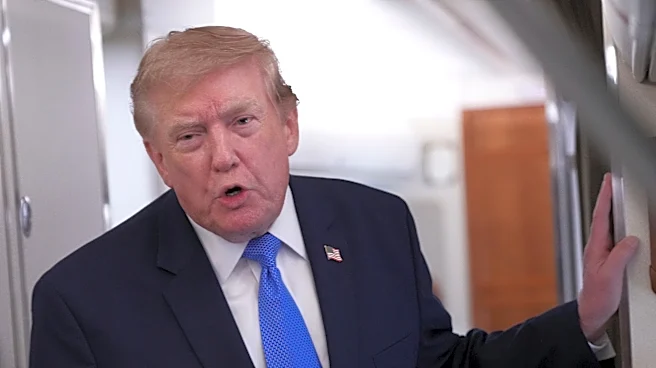
President Trump has accused Iran of sending mixed signals regarding diplomatic negotiations, asserting that while Tehran privately seeks talks to end ongoing conflicts, it publicly denies such intentions.
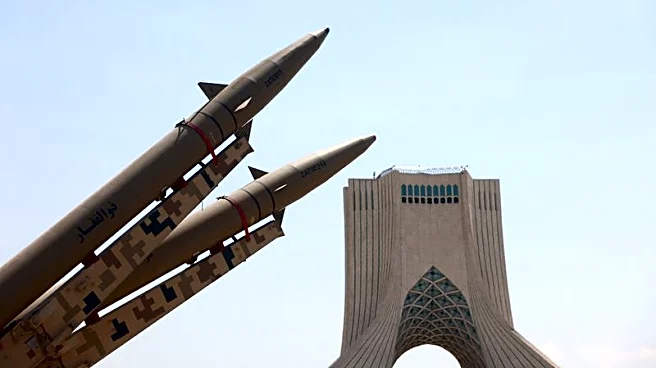
Trump emphasized that the U.S. would maintain pressure on Iran until it agrees to a deal or what he termed 'total surrender.' He dismissed Iran's claims of controlling the Strait of Hormuz, stating that it is under U.S. military control. Recent military exchanges between the U.S. and Iran have escalated tensions, following a stalled memorandum of understanding aimed at reaching a final agreement.
Why It's Important?
The ongoing tensions between the U.S. and Iran have significant implications for global energy markets and regional stability. The Strait of Hormuz is a critical chokepoint for global oil supplies, and any conflict could disrupt energy markets, affecting prices worldwide. The U.S.'s firm stance may influence its diplomatic relations with allies and adversaries in the Middle East. The situation also impacts U.S. domestic politics, as foreign policy decisions can affect public opinion and electoral outcomes.
What's Next?
The future of U.S.-Iran relations remains uncertain, with potential for further military confrontations or diplomatic breakthroughs. Key stakeholders, including U.S. allies in the region, may push for renewed negotiations to prevent escalation. The international community will likely monitor the situation closely, given its potential impact on global security and economic stability.