
What's Happening?
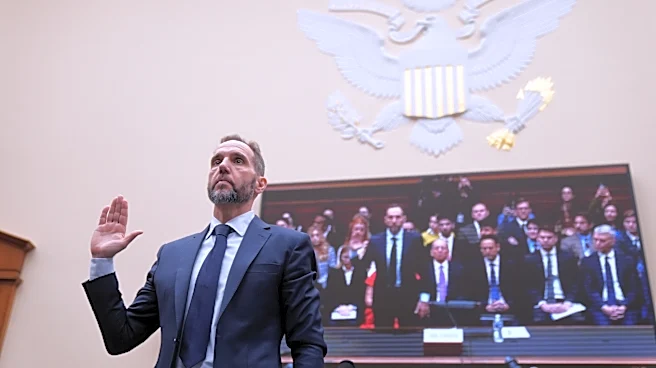
Former King County Superior Court Judge Roger Rogoff has filed a lawsuit against President Donald Trump and senior Justice Department officials, arguing his firing less than an hour after being sworn in as U.S.
attorney for the Western District of Washington violated federal law and the U.S. Constitution. The lawsuit, filed in U.S. District Court in Seattle, seeks to declare Rogoff's removal unlawful, reinstate him as the district's top federal prosecutor, and block the Trump administration from recognizing anyone else as the U.S. attorney until a Senate-confirmed successor is appointed. The case challenges the limits of presidential authority over court-appointed interim U.S. attorneys and could have implications for similar disputes nationwide.
Why It's Important?
This lawsuit tests the boundaries of presidential authority over court-appointed interim U.S. attorneys, raising questions about the balance of power between the executive branch and the judiciary. The outcome could set a precedent for how vacancies in U.S. attorney positions are filled and the extent of presidential power in removing court-appointed officials. The case highlights the importance of maintaining checks and balances within the federal government to ensure that appointments and dismissals adhere to legal and constitutional frameworks. The decision could impact the independence of the judiciary and the integrity of the appointment process for federal prosecutors.
What's Next?
A hearing on the request for a preliminary injunction to restore Rogoff to his position is scheduled for August 18. The case is expected to proceed through the courts, potentially reaching higher levels of the judiciary if appeals are filed. The outcome could influence similar disputes in other states and shape future interpretations of the Appointments Clause and federal statutes governing U.S. attorney vacancies. Stakeholders, including legal experts and political leaders, will likely monitor the case closely, as it could have far-reaching implications for the separation of powers and the role of the judiciary in federal appointments.