




What's Happening?
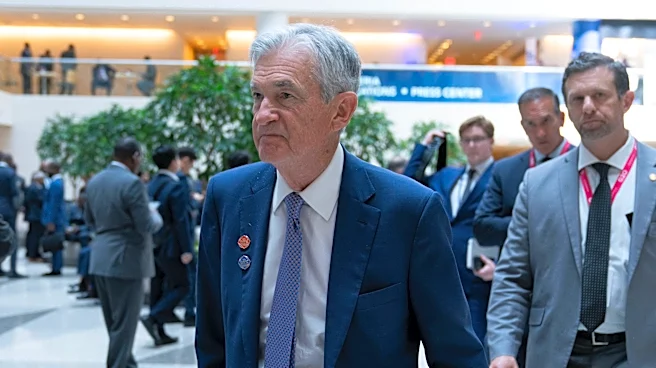
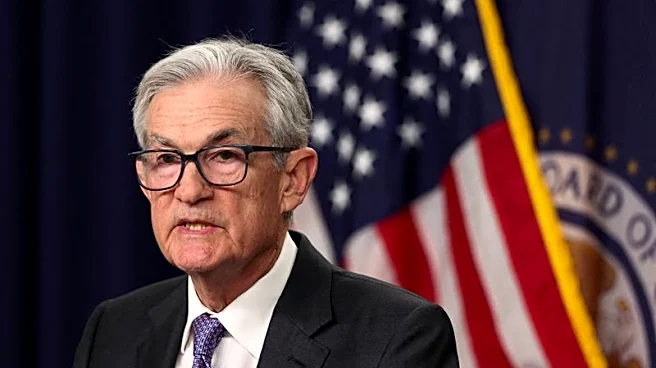
Senator Thom Tillis of North Carolina announced his satisfaction with the Justice Department's decision to end its criminal investigation into Federal Reserve Chair Jerome H. Powell. This development clears the way for the confirmation of Kevin Warsh,
President Trump's nominee, to lead the Federal Reserve. Tillis had previously blocked Warsh's nomination, criticizing the investigation as an attempt to pressure Powell to resign and undermine the Fed's independence. With the investigation halted, the Senate Banking Committee is set to vote on Warsh's nomination, potentially advancing it to the full Senate. The decision comes amid concerns about maintaining the Fed's autonomy from White House influence.
Why It's Important?
The confirmation of Kevin Warsh as Federal Reserve Chief is significant as it could impact the central bank's independence and its ability to set interest rates without political interference. President Trump's push to install Warsh, seen as an ally, has raised alarms among Democrats and economists who fear it could compromise the Fed's autonomy. The outcome of this confirmation process could influence financial markets and the broader economy, especially if it leads to changes in monetary policy direction. The situation underscores the ongoing tension between the executive branch and independent financial institutions.
What's Next?
The Senate Banking Committee is scheduled to vote on Warsh's nomination, which, if successful, will proceed to the full Senate for confirmation. The outcome of this vote is crucial, as a single Republican defection could derail the nomination. Meanwhile, Democrats, led by Senator Elizabeth Warren, continue to oppose Warsh's confirmation, citing concerns over the Fed's independence. The decision will also affect Jerome Powell's future, as his term as Fed chair expires soon, and President Trump has indicated he may attempt to remove Powell if Warsh's confirmation is delayed.