





What's Happening?
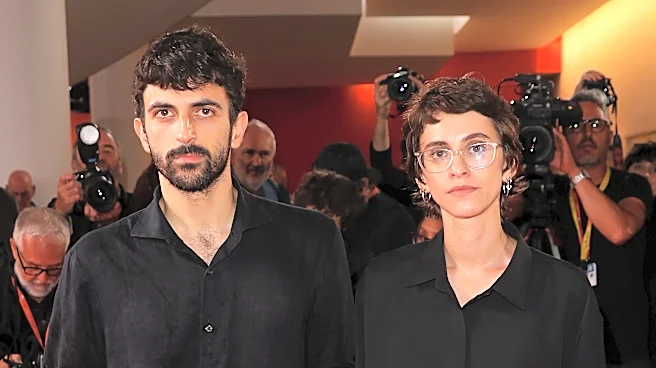
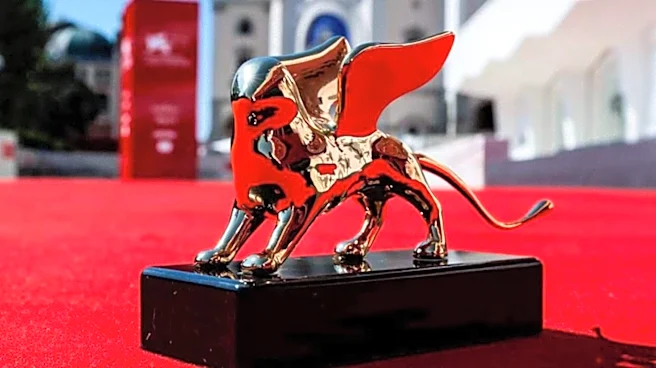
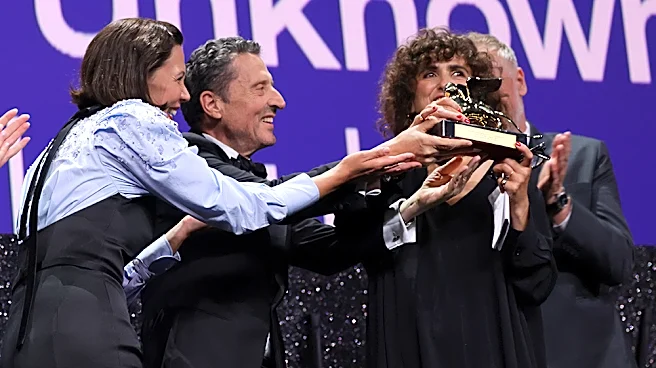
The documentary film "NAZA," directed by Israeli filmmakers Yuval Abraham and Rachel Szor, received a 25-minute standing ovation at the Venice Film Festival, surpassing the 23-minute ovation for "The Voice of Hind Rajab" last year. The film, which explores
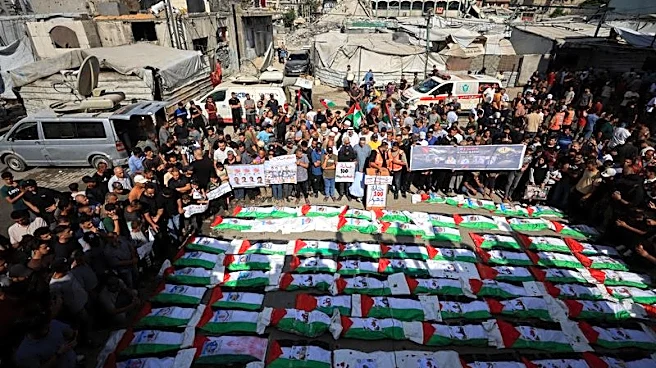
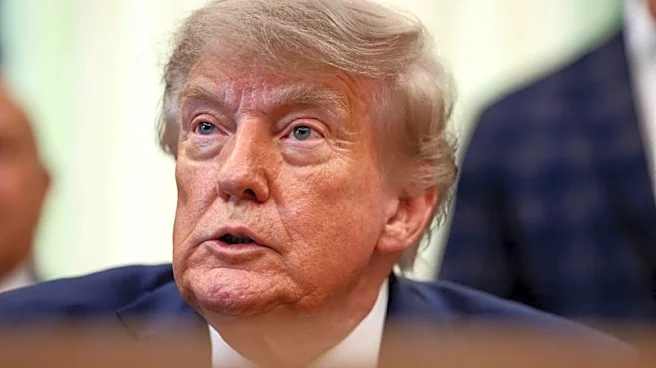
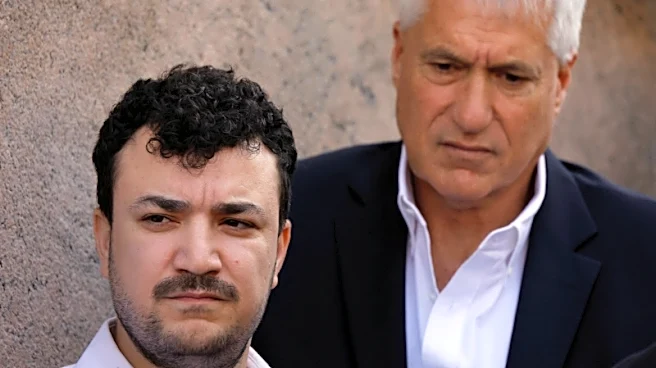
the mass killing of Palestinian civilians in Gaza through testimonies from 24 Israeli military insiders, won the Special Jury Prize. However, the filmmakers are now facing threats from Israeli officials; Culture Minister Miki Zohar publicly accused them of "treason against the state" and requested an investigation into whether their citizenship could be revoked. Prime Minister Benjamin Netanyahu also criticized the film, presenting it as part of a wider campaign against Israel. The military's Chief of Staff, Eyal Zamir, ordered a legal review and an investigation into alleged leaks of classified material used in the production. The Guardian, a participant in the film's production, has pledged to defend "NAZA" and its team from attacks and censorship.
Why It's Important?
This event highlights the significant risks faced by filmmakers and journalists who document sensitive political and military issues, particularly in conflict zones. The strong reaction from Israeli officials, including threats of citizenship revocation and accusations of treason, underscores the intense political climate surrounding the Israeli-Palestinian conflict and freedom of expression. The film's international recognition, contrasted with the domestic backlash, brings into sharp focus the tension between artistic freedom and national security concerns. The involvement of major media organizations like The Guardian and the support from prominent figures like Jonathan Glazer (an executive producer on "NAZA" and "The Voice of Hind Rajab") indicate a growing international platform for narratives challenging official government accounts. This situation could set a precedent for how governments respond to critical artistic and journalistic endeavors, potentially impacting the willingness of individuals to expose controversial information and the ability of international film festivals to serve as platforms for such works.
What's Next?
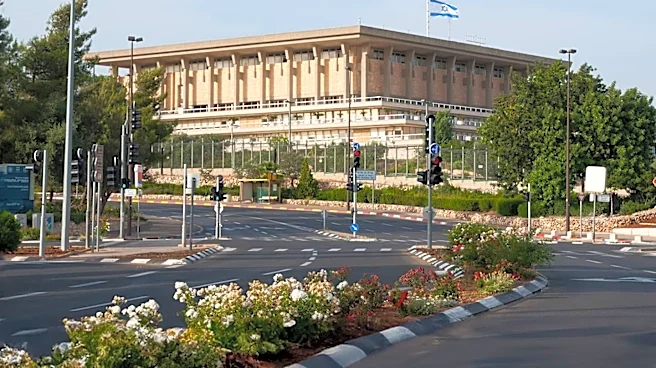
The Israeli Interior Ministry and Population and Immigration Authority will investigate the possibility of initiating proceedings to revoke the citizenship of Yuval Abraham and Rachel Szor, though revocation would require a separate legal process and judicial approval. The Israeli military will also conduct a legal review and investigate alleged leaks of classified material used in "NAZA." The filmmakers intend to seek the widest possible distribution for "NAZA" in Israel, despite the domestic pressure, and the film is scheduled for screenings at the New York Film Festival. The Guardian has committed to robustly defending the film and its creators. This ongoing confrontation between the filmmakers and the Israeli government will likely continue to draw international attention, raising questions about censorship, freedom of the press, and the protection of artists and journalists globally. The outcomes of these investigations and the film's distribution efforts will be closely watched by human rights organizations and the international film community.
Beyond the Headlines
The controversy surrounding "NAZA" delves into deeper implications concerning the weaponization of legal and political mechanisms against artistic expression. The accusation of "treason" and the threat of citizenship revocation represent severe measures that can chill free speech and investigative journalism. This situation also reflects a broader global trend where governments attempt to control narratives, especially those that challenge state actions or policies. The film's focus on the systematic nature of civilian deaths and the use of artificial intelligence in military operations raises profound ethical questions about modern warfare and accountability. The support from international film festivals and media organizations, while crucial, also highlights the vulnerability of individuals working on such sensitive topics, as international recognition does not always guarantee personal safety or freedom from domestic repercussions. This case underscores the ongoing struggle for truth and transparency in an increasingly polarized world, where the lines between journalism, activism, and art often blur.