





What's Happening?
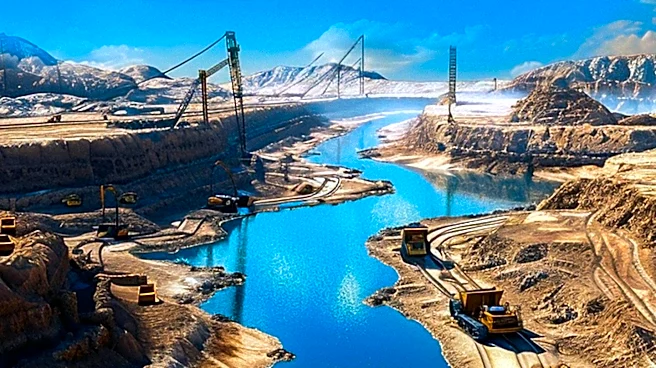
A study by Peking University geologists has revealed that the Bayan Obo mine in Inner Mongolia, China, may contain significantly more rare earth resources than previously estimated. The study suggests that between 500 and 1,000 meters deep, the mine could
hold several times the previously estimated 100 million tons of rare earths. This discovery comes as China tightens its export controls on rare earths, impacting global industries reliant on these materials. The Bayan Obo mine is already the largest source of rare earths globally, contributing significantly to China's dominance in the market.
Why It's Important?
The discovery of additional reserves at Bayan Obo strengthens China's position as the leading supplier of rare earths, which are essential for high-tech industries worldwide. This could exacerbate global supply chain dependencies, particularly for countries like the U.S. that are seeking to reduce reliance on Chinese exports. The increased reserves may allow China to maintain its competitive edge in rare earth processing and refining, areas where it already holds a significant advantage. This development could influence global trade dynamics and prompt other countries to accelerate their efforts to develop alternative sources.
Beyond the Headlines
The geopolitical implications of China's rare earth dominance are profound, as these materials are critical for both civilian and military technologies. The discovery at Bayan Obo may lead to increased scrutiny and strategic planning by other nations to secure their own supplies. Additionally, the environmental impact of mining and refining rare earths remains a concern, highlighting the need for sustainable practices in the industry. The global race for rare earths could also drive innovation in recycling and alternative materials.