
What's Happening?
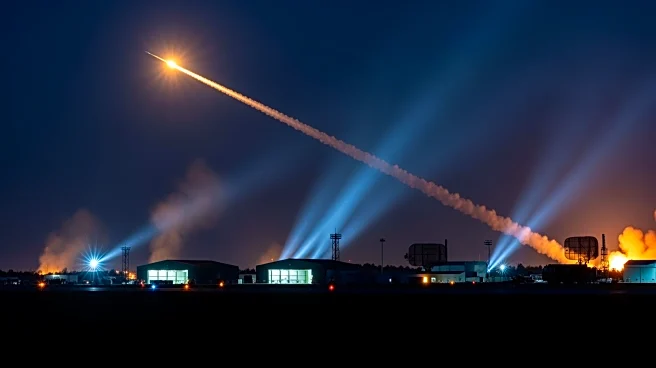
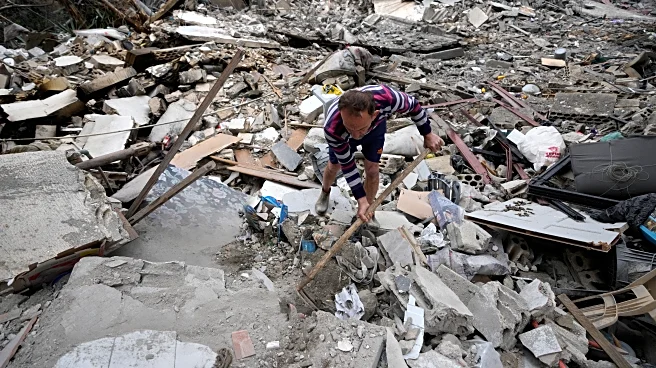
The US State Department has updated its travel advisories for American citizens, highlighting increased risks in several countries due to ongoing global conflicts. The advisory changes come in the wake of US military actions in Iran and escalating tensions
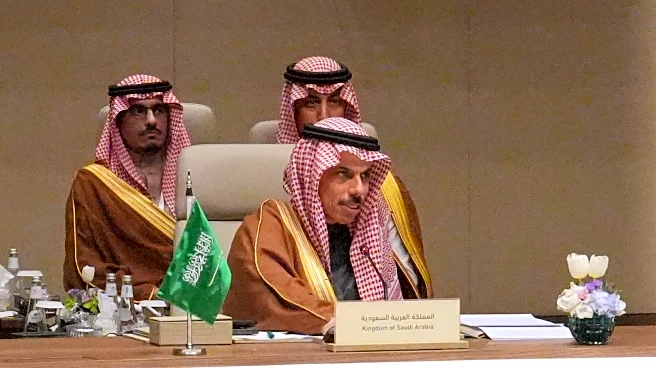
in the Middle East. Countries such as Saudi Arabia, Oman, Kuwait, and Bahrain have been elevated from Level 2 to Level 3 advisories, urging travelers to reconsider their plans. Iran has been classified as a Level 4 'Do Not Travel' destination due to high risks of terrorism, unrest, and potential wrongful detention of US citizens. Additionally, certain Mexican states have been upgraded to Level 4 following cartel-related violence. The State Department's advisories aim to provide Americans with comprehensive risk assessments to ensure their safety abroad.
Why It's Important?
These travel advisories are crucial for American travelers as they navigate international travel amid heightened global tensions. The advisories not only inform travelers of potential dangers but also guide them in making informed decisions about their travel plans. The updates reflect the US government's efforts to protect its citizens from geopolitical risks, including terrorism and civil unrest. For the travel industry, these advisories could impact tourism flows, particularly to regions with elevated risk levels. The advisories also underscore the importance of diplomatic relations and the need for travelers to stay informed about international developments that could affect their safety.
What's Next?
Travelers are encouraged to enroll in the State Department's Smart Traveler Enrollment Program, which provides real-time updates and alerts from US embassies and consulates. As global tensions continue, the State Department may issue further updates, potentially affecting more countries. Travelers should remain vigilant and stay informed about changes in advisories, especially if planning trips to regions with ongoing conflicts. The US government will likely continue to monitor the situation closely and adjust advisories as necessary to reflect the evolving geopolitical landscape.