



What's Happening?
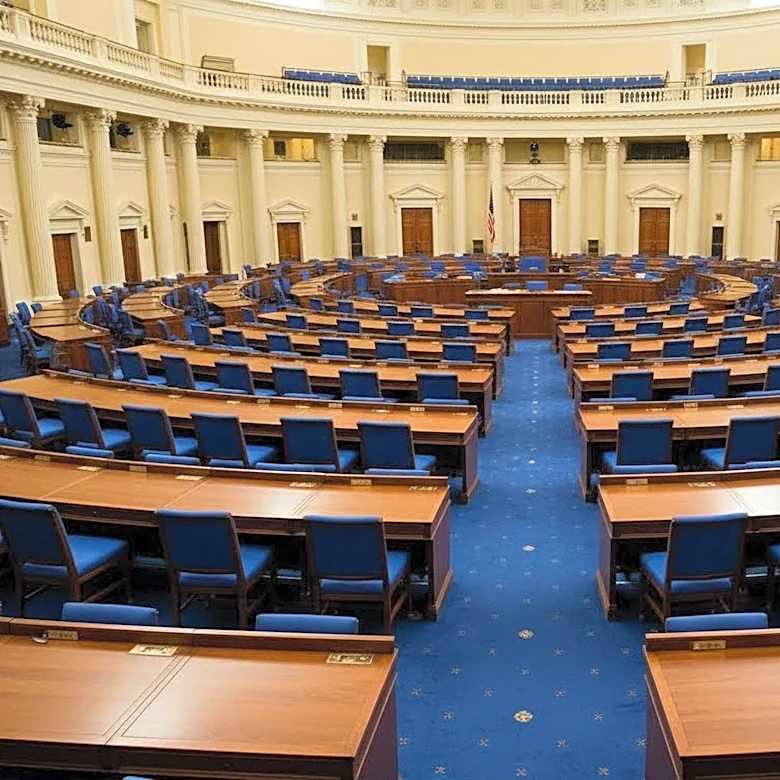
Indiana Republican senators have endorsed Sen. Chris Garten as the next president pro tem of the Senate, positioning him to replace current President Pro Tem Rodric Bray. This decision follows a private meeting where Garten received unanimous support
from the Republican caucus. Garten's rise to leadership is notable as it comes after President Trump-endorsed challengers won primaries against at least six incumbent Republican senators who had opposed a congressional redistricting push last year. Garten, a vocal supporter of the redistricting efforts, had previously resigned from his position as majority floor leader, citing a lack of 'seamless alignment with the current strategic direction of leadership.' His endorsement for the top leadership role is seen as a direct consequence of the political shifts within the caucus, influenced by the redistricting controversy and President Trump's involvement in the primaries.
Why It's Important?
This leadership change signifies a significant shift in the Indiana Senate's political dynamics and reflects the enduring influence of President Trump within the Republican party, even at the state level. Sen. Garten's endorsement as president pro tem, a position with substantial authority over committee appointments and the legislative agenda, indicates a move towards a more 'unapologetic conservatism' within the chamber. This could lead to a more aggressive pursuit of conservative policies and a different legislative direction compared to the previous leadership. The ousting of incumbent senators who opposed the redistricting push demonstrates the power of primary challenges and the impact of external endorsements on state-level politics. It also highlights how redistricting, a seemingly procedural issue, can become a flashpoint that reshapes political careers and legislative leadership. The new leadership is expected to prioritize scrutinizing every dollar, safeguarding taxpayer resources, and executing a bold agenda, which could have wide-ranging effects on Indiana's budget and public services.
What's Next?
While Sen. Garten has been endorsed by the Republican caucus, his appointment as president pro tem will not be official until the full Senate votes following the November election. In the interim, Garten is taking over leadership of the caucus's campaign operations and planning for the 2027 legislative session. Current President Pro Tem Rodric Bray will continue to manage daily Senate operations until the formal vote on Organization Day in November, ensuring a smooth transition. The shift in leadership is expected to bring new priorities and a potentially different approach to legislative matters. Additionally, a contest for the majority caucus chair position remains, with Sen. Scott Baldwin and Sen. Tyler Johnson vying to replace Sen. Travis Holdman, who was defeated in the May primary. This ongoing leadership reshuffling suggests further internal changes within the Indiana Senate Republican caucus, which will continue to unfold after the November elections.
Beyond the Headlines
The events in Indiana underscore a broader trend in U.S. politics where national figures and issues, such as President Trump's endorsements and redistricting, exert considerable influence on state legislative bodies. This situation highlights the increasing polarization within the Republican party and the pressure on state lawmakers to align with specific ideological factions. The 'redistricting revenge' narrative suggests that defiance of certain political directives can have severe consequences for incumbents, potentially leading to a chilling effect on dissent within party ranks. This dynamic raises questions about the autonomy of state legislatures and the balance between local representation and national party platforms. The emphasis on 'unapologetic conservatism' by the incoming leadership could also signal a more confrontational approach to policy-making, potentially leading to increased partisan gridlock or more radical legislative outcomes. The long-term implications could include a more ideologically uniform state government, which might reduce bipartisan cooperation and narrow the scope of political discourse in Indiana.