






What's Happening?
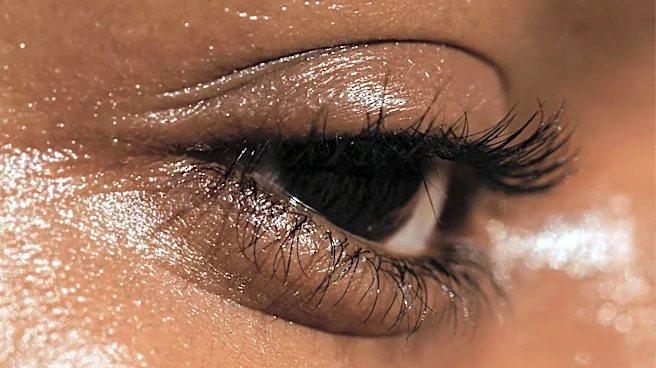
A recent case report from Medical Daily highlights severe eye injuries, specifically retinal tears, resulting from the improper use of massage guns. A student in his 20s presented at an eye clinic with floaters and flashes of light after using a high-frequency
percussive massage gun directly on and around his eyes for approximately three months, once a week, to alleviate tiredness. Doctors discovered multiple retinal tears and bruising in both eyes, including a retinal dialysis in the right eye, a type of break typically associated with severe blunt trauma. Despite the significant damage, the student's vision remained 20/20 at presentation, and after laser treatment, his retina remained stable with no cataract formation six months later. The massage gun was purchased commercially and used without professional guidance, and the patient was unaware of any warnings against its use on the eyes.
Why It's Important?
This case underscores a critical safety gap in the consumer fitness product market, as massage guns are not regulated medical equipment and lack standardized guidance for safe application. While these devices are marketed for muscle recovery, their use on delicate areas like the eyes can lead to severe and potentially permanent damage. The incident highlights the need for clearer manufacturer warnings and increased public awareness regarding the appropriate and inappropriate uses of percussive therapy tools. The absence of clear guidelines means consumers may unknowingly expose themselves to significant risks, especially when using these powerful devices on sensitive body parts not intended for such treatment. This could lead to a rise in similar injuries if not addressed, impacting public health and potentially leading to calls for stricter product regulations.
What's Next?
The ophthalmologists involved in the case report are advocating for clear manufacturer warnings against the improper application of massage guns, particularly concerning their use on the eyes. This call for action suggests that future developments may include increased pressure on manufacturers to update product labeling and instructions to explicitly caution against ocular use. Consumers should anticipate seeing more prominent warnings on massage gun packaging and in user manuals. Additionally, medical professionals and public health organizations may launch awareness campaigns to educate the public about the risks associated with misusing these devices. This could lead to a shift in consumer behavior, with users becoming more cautious about where and how they apply percussive therapy tools.
Beyond the Headlines
This incident brings to light the broader issue of consumer product safety in an era of rapidly evolving personal wellness technologies. The lack of regulatory oversight for devices like massage guns, which are powerful enough to cause significant harm if misused, raises questions about the responsibility of manufacturers and retailers. The case also highlights a societal tendency to self-diagnose and self-treat, often without consulting medical professionals or thoroughly understanding product limitations. The student's attempt to alleviate eye fatigue with a massage gun, a device designed for muscle tissue, exemplifies a gap in public understanding of basic anatomy and product application. This could trigger discussions about the need for more rigorous testing and clearer communication for all consumer health and wellness products, ensuring that innovation does not outpace safety considerations.