



What's Happening?
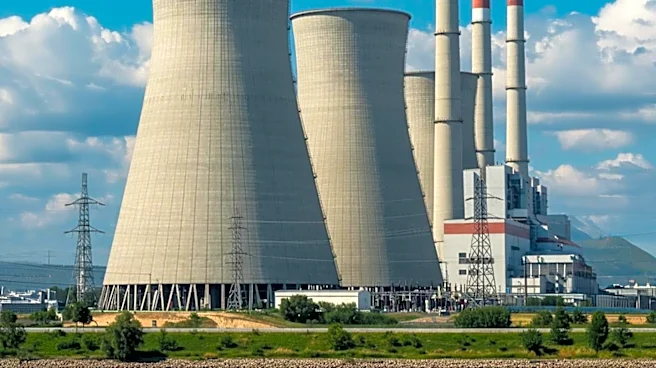
The U.S. thermal power plant market is experiencing slow growth, with an installed base projected to reach 4.97 terawatts by 2032, growing at a CAGR of 0.87% from 2027. This modest increase indicates a mature fleet undergoing renewal and upgrades rather
than rapid expansion. Operators are prioritizing investments in plant efficiency, equipment reliability, and adherence to local operating regulations. A significant driver for maintaining and upgrading thermal capacity in North America is the rising electricity demand from data centers, which necessitates dependable generation, especially where transmission and storage infrastructure cannot yet meet the rapidly increasing load. The U.S. Environmental Protection Agency (EPA) proposed in June 2025 to repeal greenhouse gas standards for fossil fuel-fired generating units under Section 111 of the Clean Air Act, which could influence future operational and investment decisions for thermal plants. North America is also adding gas capacity and retaining select coal units to address reliability needs spurred by data center growth.
Why It's Important?
The focus on efficiency and reliability in the U.S. thermal power plant market is crucial for national energy security and economic stability. The increasing demand from data centers highlights a critical need for consistent and robust power supply, which thermal plants are currently positioned to provide. The EPA's proposed repeal of greenhouse gas standards could significantly impact the operational costs and regulatory landscape for fossil fuel-fired plants, potentially extending the lifespan of existing coal units and influencing investment in new gas capacity. This shift could benefit operators of thermal power plants by reducing compliance burdens, but it may also draw criticism from environmental groups and those advocating for a faster transition to renewable energy. The continued reliance on thermal power, even with upgrades, underscores the challenges in fully transitioning to renewables while ensuring grid stability and meeting growing industrial demands.
What's Next?
Looking ahead, the U.S. thermal power plant market will likely see continued investment in upgrading existing infrastructure to enhance efficiency and reliability, particularly in response to the escalating power demands from data centers. The outcome of the EPA's proposed repeal of greenhouse gas standards will be a key factor shaping future investments and operational strategies for fossil fuel-fired plants. If the repeal proceeds, it could lead to a more favorable environment for thermal plant operators, potentially delaying the retirement of some coal units and encouraging further development of gas-fired capacity. Conversely, strong opposition could lead to policy reversals or new regulatory frameworks. The industry will also need to navigate the balance between meeting immediate energy demands and long-term decarbonization goals, potentially exploring fuel-flexible designs and hydrogen-ready gas plants as part of their future strategies.
Beyond the Headlines
The trajectory of the U.S. thermal power plant market reflects a broader national debate on energy policy, economic growth, and environmental responsibility. The tension between supporting rapidly expanding digital infrastructure, which is vital for the modern economy, and reducing carbon emissions presents a complex challenge. The decision to maintain and upgrade thermal plants, including some coal units, highlights the practical difficulties of a rapid energy transition, especially when faced with immediate reliability concerns. This situation could lead to increased scrutiny from international partners regarding U.S. climate commitments, while domestically, it may intensify the debate between economic development advocates and environmental conservationists. The long-term implications could include a more diversified energy portfolio that still heavily relies on fossil fuels for stability, alongside growing renewable capacity, creating a hybrid energy landscape for the foreseeable future.