


What's Happening?
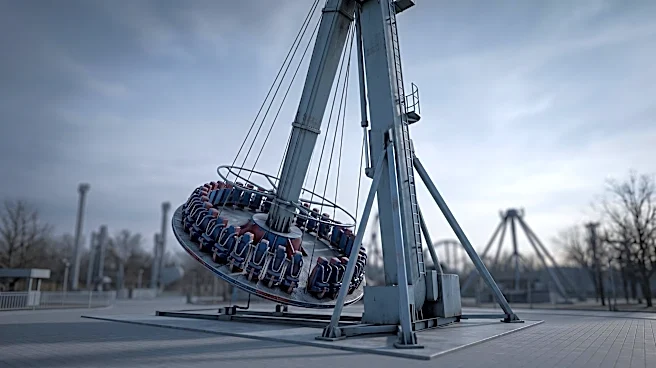
A jury has awarded $550,000 to two teenagers who were trapped upside down on the AtmosFEAR ride at Oaks Park in Portland, Oregon. The incident occurred in June 2024 when the ride malfunctioned, leaving 30 riders suspended for nearly half an hour. Portland Fire
& Rescue crews eventually had to manually override the system to bring the riders down safely. Following the malfunction, lawsuits were filed against Oaks Park and the ride's manufacturer. This week, a jury voted 10-2 to hold both parties accountable, awarding each of the two teen girls $275,000. Oaks Park issued a statement acknowledging the incident and reiterating their commitment to safety, stating they are grateful all riders are safe and the matter is resolved. The family of one of the teens expressed that for over two years, Oaks Park denied fault, only admitting liability a week prior to the verdict. They also highlighted the lack of a safety plan and appropriate tools at the park to address such a malfunction, which delayed rescue efforts.
Why It's Important?
This jury award underscores the critical importance of ride safety, emergency preparedness, and accountability for amusement parks and equipment manufacturers. The substantial payout reflects the trauma and potential long-term impact on individuals involved in such a harrowing experience. The incident reveals a significant lapse in Oaks Park's emergency response protocols, specifically the absence of a readily available tool or knowledge to quickly resolve a ride malfunction in an inverted position. This situation could prompt a broader review of safety standards and emergency procedures across the amusement park industry, particularly for rides with complex mechanical operations. It also highlights the legal recourse available to consumers when negligence leads to injury or distress, potentially encouraging other victims of similar incidents to pursue justice. The case emphasizes that while amusement parks offer entertainment, they bear a profound responsibility for the safety and well-being of their patrons.
What's Next?
Following the jury's verdict, Oaks Park and the ride's manufacturer, Zamperla, are now obligated to pay the $550,000 award to the two teenagers. While Oaks Park has stated the incident is resolved and safety is their top priority, the family of one of the teens noted that a safety feature to immediately return the AtmosFEAR ride to its home position in case of a malfunction was only added recently. This suggests that further safety enhancements and operational reviews may be implemented at Oaks Park and potentially other amusement parks to prevent similar occurrences. The legal outcome could also influence future liability cases involving ride malfunctions, setting a precedent for accountability. Industry regulators and state inspectors might increase scrutiny on amusement park safety protocols, emergency training, and equipment maintenance schedules. The incident serves as a reminder for both operators and patrons to prioritize safety and be aware of emergency procedures at recreational facilities.
Beyond the Headlines
The Oaks Park ride malfunction and subsequent jury award delve into deeper implications beyond financial compensation, touching on public trust and the psychological impact of such events. The family's statement, highlighting the park's initial denial of fault and the belated addition of a safety feature, raises questions about corporate responsibility and transparency in the face of mechanical failures. This incident can contribute to a broader public discourse on the regulation of amusement park rides, which are often seen as symbols of carefree fun but carry inherent risks. The trauma experienced by the riders, particularly being suspended upside down for an extended period, can have lasting psychological effects, including anxiety and fear, which may not be fully addressed by monetary awards alone. The case also underscores the power of legal action in driving change, compelling businesses to re-evaluate and improve their safety measures, ultimately contributing to a safer environment for the public in recreational settings.