








What's Happening?
Planet Classroom, through its 'AI for a Better World' series, is examining the dual nature of Artificial Intelligence (AI) regarding its environmental impact. The discussion, featuring C. M. (Cathy) Rubin and Peter Gilmer, CEO of The Nest Campus, highlights
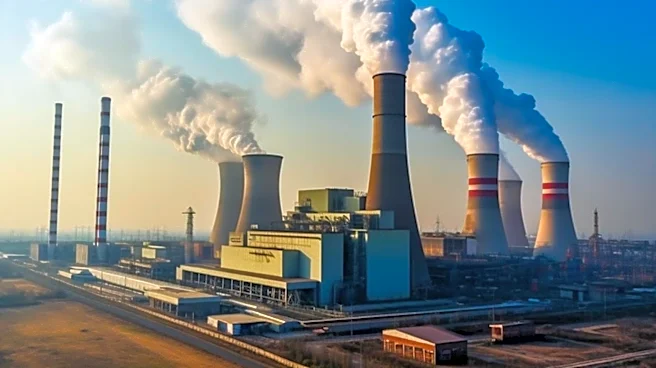
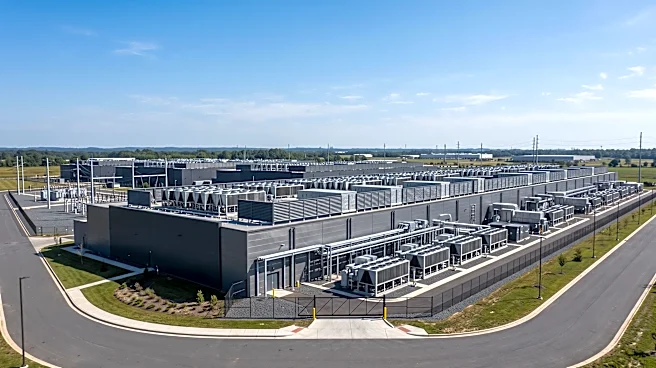
AI's substantial electricity and water consumption due to its infrastructure. Simultaneously, the program explores AI's potential to accelerate climate solutions. Gilmer emphasizes the significant investments flowing into clean energy, energy security, and climate innovation, suggesting these could drive a more sustainable future. AI is already contributing to environmental efforts through smarter electricity grids, emissions monitoring via Climate TRACE, satellite technology for tracking deforestation and illegal fishing, and advanced weather forecasting. The program encourages young people to translate environmental concerns into practical local solutions, such as expanding urban tree cover and improving air quality. Gilmer states that AI serves to enhance the work of scientists, engineers, and conservationists, rather than replacing them, stressing the need to balance AI's benefits with addressing its environmental footprint.
Why It's Important?
The discussion on AI's environmental impact is crucial for U.S. industries and public policy as the nation grapples with both technological advancement and climate change. The increasing energy and water demands of AI infrastructure pose a significant challenge, potentially straining existing resources and contributing to environmental degradation if not managed effectively. This could lead to increased operational costs for tech companies and necessitate policy interventions to regulate AI's resource consumption. Conversely, AI's capacity to drive climate solutions offers substantial opportunities for innovation and economic growth in the clean energy sector. Investments in AI-powered smart grids, environmental monitoring, and predictive analytics can enhance energy efficiency, reduce emissions, and protect natural resources. For U.S. businesses, leveraging AI for sustainability can create new markets, improve corporate social responsibility, and potentially lead to competitive advantages. However, the 'climate dilemma' underscores the need for a balanced approach, ensuring that the pursuit of AI benefits does not inadvertently exacerbate environmental problems, impacting both the economy and societal well-being.
What's Next?
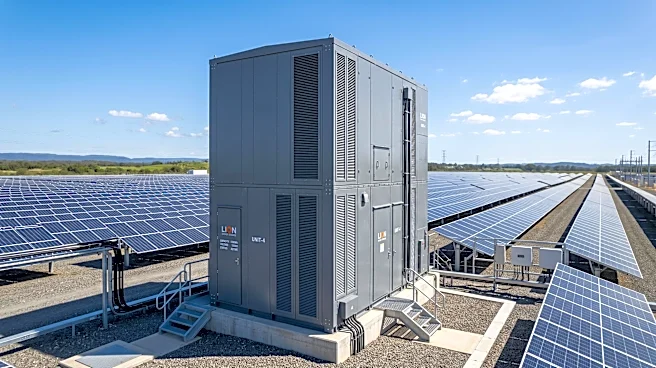
The ongoing dialogue initiated by Planet Classroom suggests a continued focus on developing AI responsibly, with an emphasis on mitigating its environmental footprint while maximizing its potential for climate solutions. Future developments are likely to include increased research and investment in energy-efficient AI hardware and algorithms, as well as innovations in renewable energy sources to power AI infrastructure. Policy discussions may emerge regarding regulations or incentives for companies to adopt sustainable AI practices. Educational initiatives, particularly those targeting youth, are expected to grow, encouraging the next generation to develop AI applications that address environmental challenges. The collaboration between technology and environmental sectors will be critical, fostering interdisciplinary approaches to integrate AI into broader climate action strategies. This will involve continuous monitoring of AI's resource consumption and the development of metrics to assess its net environmental impact, guiding future technological and policy decisions.
Beyond the Headlines
The 'AI's Climate Dilemma' extends beyond immediate environmental concerns to touch upon ethical and long-term societal implications. The rapid scaling of AI, coupled with its significant resource demands, raises questions about equitable access to computational power and the potential for a widening digital divide if energy-intensive AI becomes a prerequisite for economic competitiveness. The reliance on AI for environmental monitoring and solutions also introduces a layer of technological dependence, necessitating robust and transparent AI systems to avoid unintended consequences or biases in climate data and interventions. Furthermore, the call for young people to engage in practical environmental solutions, supported by AI, highlights a cultural shift towards integrating technology into civic action and environmental stewardship. This could foster a generation more adept at leveraging advanced tools for global challenges, but also one that must critically evaluate the ethical dimensions of such powerful technologies. The underlying tension between technological progress and ecological sustainability will likely remain a central theme, shaping future innovation and policy frameworks.