






What's Happening?
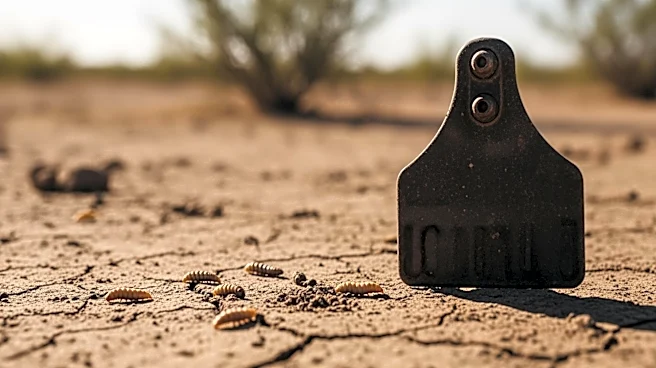
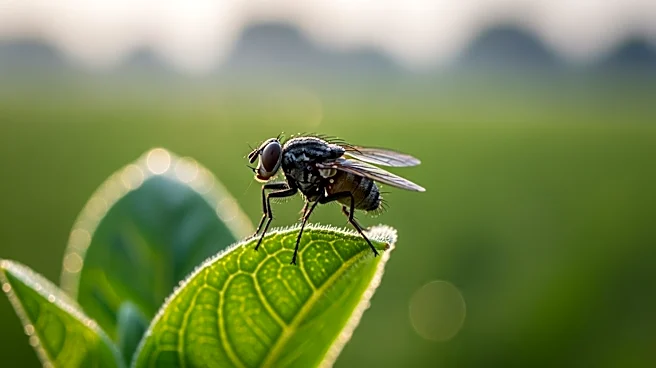
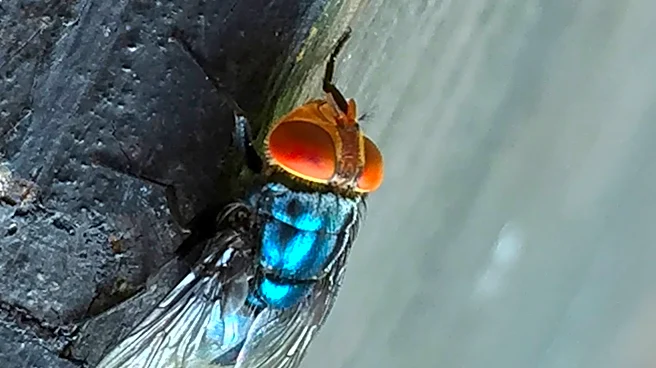
The U.S. Department of Agriculture (USDA) is deploying sterile flies to areas affected by the New World screwworm fly, a flesh-eating parasite that poses a significant threat to the U.S. cattle industry. This marks the first time in over 50 years that the screwworm has
been detected in Texas, with at least five cases confirmed. The screwworm fly, which can cause severe damage to livestock, is a major concern for the $113 billion cattle industry. The USDA's strategy involves releasing sterile flies to interrupt the breeding cycle of the screwworm, thereby reducing its population and preventing further spread.
Why It's Important?
The reemergence of the screwworm fly in Texas is a critical issue for the U.S. cattle industry, which is a significant component of the national economy. The parasite can cause severe economic losses by infesting livestock, leading to decreased productivity and increased veterinary costs. The USDA's intervention is crucial to protect the cattle industry from potential devastation. The use of sterile flies is a proven method for controlling screwworm populations, and its success is vital for maintaining the health and viability of the cattle industry. This situation underscores the importance of vigilant monitoring and rapid response to agricultural pests.
What's Next?
The USDA will continue to monitor the situation closely and adjust its strategy as needed to ensure the effective control of the screwworm population. The success of the sterile fly release program will be evaluated over the coming months, with potential adjustments based on the results. The cattle industry and related stakeholders will be watching closely, as the outcome will have significant implications for livestock health and economic stability. Further collaboration between federal and state agencies may be necessary to address any additional outbreaks and to safeguard the cattle industry from future threats.