




What's Happening?
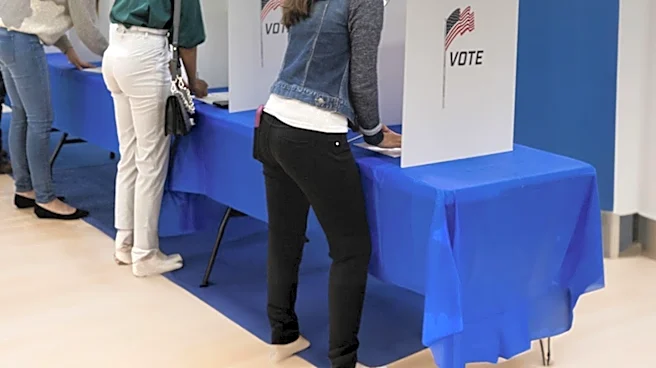
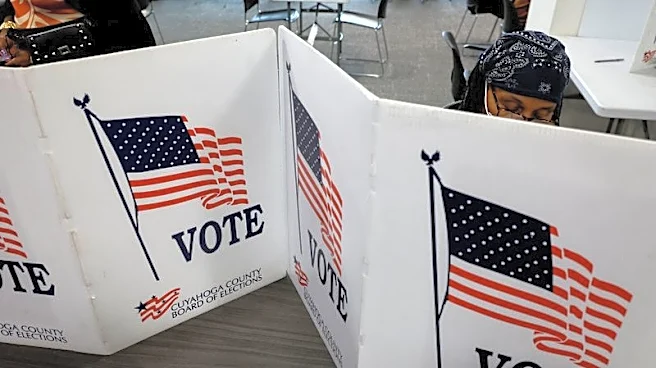
Muslim voters in King County, Washington, actively participated in a local election event hosted at the Muslim Association of Puget Sound (MAPS), the largest Islamic center in the state. King County Elections officials set up an outreach table and ballot
drop box, allowing citizens to register, update information, replace lost ballots, and cast their votes. The non-partisan event, held on a Friday afternoon when many attend prayers, saw significant turnout, with many individuals voting for the first time. Mahmood Khadeer, MAPS COO, noted the high excitement level and the community's desire for civic engagement, especially amidst escalating Islamophobic rhetoric. The event aimed to make voting more accessible and empower the community to participate in the democratic process.
Why It's Important?
This event underscores the critical importance of voter accessibility and community engagement, particularly for minority groups. In an election season marked by divisive rhetoric, providing a welcoming and convenient space for Muslim voters to exercise their democratic rights helps counter feelings of marginalization and fosters a sense of belonging. It highlights the proactive efforts of election officials to reach diverse populations and ensure equitable participation. For the Muslim community, this engagement signifies empowerment and a commitment to shaping the future of their country, demonstrating that their voices are integral to the democratic process. High voter turnout from such events can influence local and national election outcomes, reflecting the diverse perspectives of the electorate.
What's Next?
As the election day concludes, the ballots cast at events like the one at MAPS will be counted as part of the broader King County election results. The success of this outreach effort may encourage King County Elections and similar organizations to replicate such accessible voting events in future elections, targeting various communities. Community leaders like Mahmood Khadeer will likely continue to advocate for increased civic engagement within their communities, emphasizing the importance of voting and political participation. The ongoing dialogue about unity and respectful disagreement, as highlighted by Khadeer, will remain relevant as elected officials take office and address the concerns of all constituents. The event serves as a model for fostering democratic participation among diverse populations.
Beyond the Headlines
The event at MAPS transcends a simple voting drive; it represents a powerful affirmation of democratic values and civic identity for immigrant and minority communities. In a climate where some groups feel targeted, the act of voting becomes a profound statement of belonging and agency. It challenges narratives of exclusion and reinforces the idea that the United States offers a platform for all citizens to drive democracy. The long-term implications include strengthening the political voice of the Muslim community, potentially leading to more representative policies and greater understanding across cultural divides. This engagement also highlights the resilience of democratic institutions when they actively work to include all segments of society, fostering a more inclusive and robust political landscape.