

What's Happening?
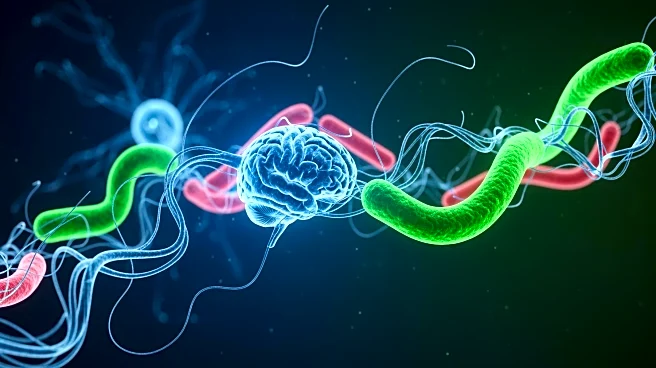
A recent study conducted by researchers at Northwestern University has uncovered the significant role that gut microbiomes play in brain function and evolution. The research, published in the Proceedings of the National Academy of Sciences, involved implanting
gut microbes from large-brain primates, such as humans and squirrel monkeys, and small-brain primates, like macaques, into microbe-free mice. The study found that mice with microbes from large-brain primates exhibited increased expression of genes associated with energy production and synaptic plasticity, which are crucial for brain development and function. Conversely, mice with microbes from small-brain primates showed less expression of these processes. This research suggests that gut microbes may influence brain development and could be linked to neurodevelopmental disorders.
Why It's Important?
The findings of this study have significant implications for understanding the evolution of the human brain and the potential role of gut microbiomes in neurodevelopmental disorders. By demonstrating that gut microbes can influence brain gene expression, the research provides a new perspective on the biological factors contributing to conditions such as ADHD, schizophrenia, bipolar disorder, and autism. This could lead to new approaches in diagnosing and treating these disorders by targeting the gut microbiome. Additionally, the study highlights the importance of maintaining a balanced gut microbiome for optimal brain health, which could influence dietary and health recommendations.
What's Next?
The study opens avenues for further research into the clinical implications of gut microbiomes on brain development and psychological disorders. Future studies may explore the potential for using gut microbiome manipulation as a therapeutic strategy for neurodevelopmental disorders. Researchers may also investigate the evolutionary aspects of gut-brain interactions across different species to better understand the mechanisms by which microbes influence brain physiology. These efforts could lead to breakthroughs in personalized medicine and preventive healthcare strategies.
Beyond the Headlines
This research underscores the complex interplay between diet, gut health, and brain function, suggesting that evolutionary biology can provide insights into modern health challenges. The study also raises ethical considerations regarding the manipulation of gut microbiomes and the potential long-term effects on human health. As the field of microbiome research advances, it will be crucial to balance scientific exploration with ethical guidelines to ensure safe and beneficial applications.