







What's Happening?
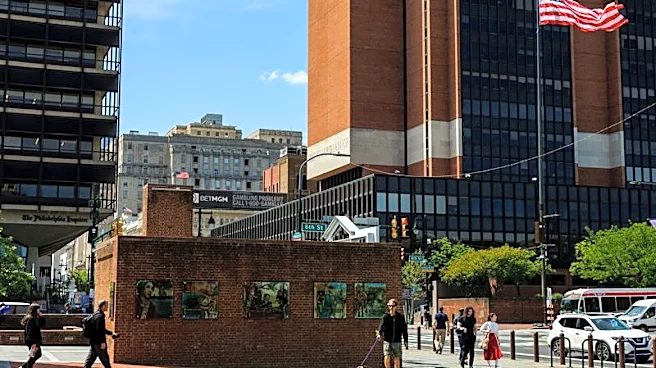
The Trump administration has been granted permission by a federal appeals court to replace a slavery exhibit at the President’s House Site in Philadelphia. The Third Circuit Court of Appeals ruled unanimously to overturn a lower court's injunction that
had required the National Park Service to restore the original panels. These panels detailed the lives of enslaved individuals at George Washington's residence. The court's decision supports the administration's initiative to revise historical presentations at federal sites, a move that has been met with criticism from historians and local officials who argue it diminishes the historical narrative.
Why It's Important?
The court's decision is pivotal in the ongoing discourse about historical representation and the federal government's role in shaping public memory. It raises questions about the balance between federal oversight and local historical integrity, potentially influencing how history is curated at national sites. The ruling may embolden similar actions at other historical locations, affecting educational and cultural understandings of America's past. This case also highlights the broader cultural and political battles over historical interpretation and the legacy of slavery in the United States.
What's Next?
Philadelphia officials, including Mayor Cherelle Parker, are considering further legal actions to contest the court's ruling. Advocacy groups like the Avenging the Ancestors Coalition are also exploring options to ensure the accurate portrayal of history. The Trump administration's plans to implement new panels may face delays due to a separate ruling in Massachusetts that temporarily halts changes to federal sites. The outcome of these legal challenges will likely influence future decisions on historical site management and public history narratives.