







What's Happening?
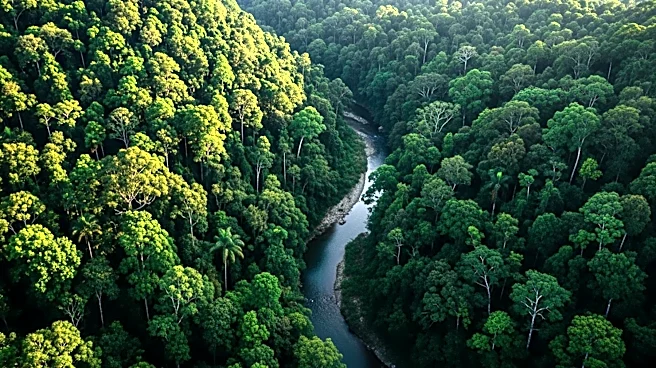
In 2025, Brazil achieved a 42% reduction in primary forest loss compared to the previous year, marking a significant environmental milestone. This decline is attributed to stronger environmental policies and enforcement under President Luiz Inácio Lula
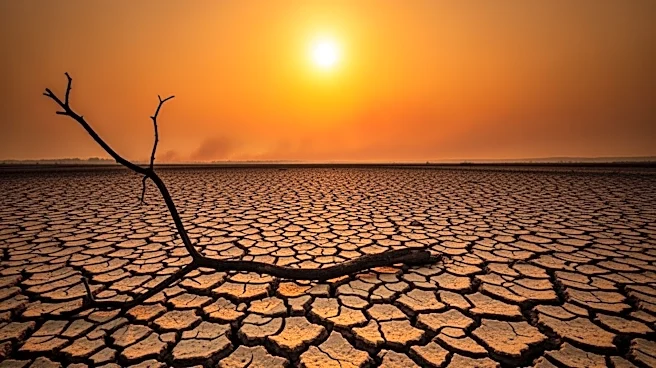
da Silva. The country, which contains two-thirds of the Amazon rainforest, had previously recorded the largest absolute area of primary forest loss. The reduction comes after a period of severe drought and unprecedented forest fires in 2024. The Brazilian government has relaunched its federal anti-deforestation plan and increased funding for fire control, which has contributed to this positive outcome. Despite these efforts, global forest loss remains high, with agriculture and fires continuing to be major drivers of deforestation.
Why It's Important?
The reduction in forest loss in Brazil is a critical development in the global fight against climate change. The Amazon rainforest is a vital carbon sink and biodiversity hotspot, and its preservation is essential for maintaining ecological balance. Brazil's success in reducing deforestation could serve as a model for other countries struggling with similar issues. However, the global target to halt and reverse forest loss by 2030, set at the COP26 climate summit, remains challenging. The continued demand for agricultural expansion and the impact of climate change-induced fires pose significant threats to achieving this goal. The progress in Brazil highlights the importance of strong environmental policies and international cooperation in addressing deforestation.
What's Next?
Brazil's continued commitment to reducing deforestation will be crucial in maintaining the momentum achieved in 2025. The government plans to further strengthen its environmental policies and increase support for fire prevention and control. Internationally, there is a need for collaborative efforts to address the drivers of deforestation, such as agricultural expansion and climate change. The upcoming COP30 climate summit in Brazil will provide an opportunity for countries to reassess their commitments and strategies to meet the 2030 forest loss targets. The success of Brazil's policies could influence global environmental strategies and encourage other nations to adopt similar measures.
Beyond the Headlines
The reduction in forest loss in Brazil also has socio-economic implications. By curbing deforestation, Brazil can improve its international standing and potentially attract more foreign investment in sustainable development projects. Additionally, the preservation of the Amazon rainforest supports the livelihoods of indigenous communities and local populations who depend on the forest for resources. The challenge remains to balance economic growth with environmental conservation, ensuring that policies are inclusive and consider the needs of all stakeholders. The success in Brazil underscores the potential for policy-driven environmental change and the importance of integrating environmental considerations into national development plans.