



What's Happening?
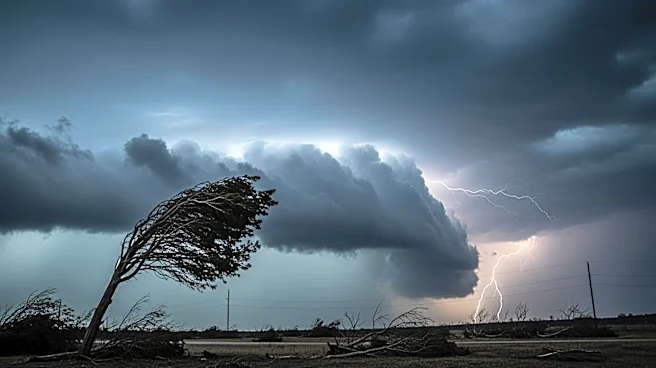
A severe weather event struck East Texas, particularly affecting the city of Tyler, where quarter-size hailstones were reported. The storm, which intensified on Saturday, resulted in significant hail accumulation on neighborhood streets, causing damage
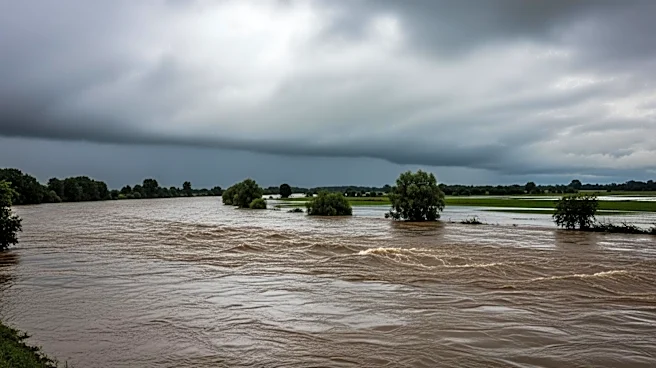
to trees and roofs. The sudden drop in temperature accompanied the hailstorm, which was part of a larger weather system moving through the region. According to forecasters, the area experienced a substantial downpour overnight and into the early morning hours, with the local airport recording about half an inch of rain, while other areas received even more precipitation.
Why It's Important?
The hailstorm in Tyler underscores the vulnerability of infrastructure and homes to severe weather events, which can lead to costly repairs and disruptions. Such weather phenomena can have broader implications for local economies, particularly in areas dependent on agriculture, as hail can damage crops. Additionally, the increased frequency and intensity of such storms may be indicative of broader climate patterns, raising concerns about preparedness and resilience in affected communities. The damage to homes and infrastructure also highlights the need for effective emergency response and recovery plans to mitigate the impact on residents.
What's Next?
In the aftermath of the storm, local authorities and residents will likely assess the extent of the damage and begin cleanup and repair efforts. Insurance claims for property damage are expected to rise, and there may be calls for improved weather forecasting and early warning systems to better prepare for future events. Community leaders might also advocate for increased investment in infrastructure resilience to withstand similar weather events. Additionally, discussions around climate adaptation strategies could gain momentum as communities seek to address the challenges posed by changing weather patterns.