





What's Happening?
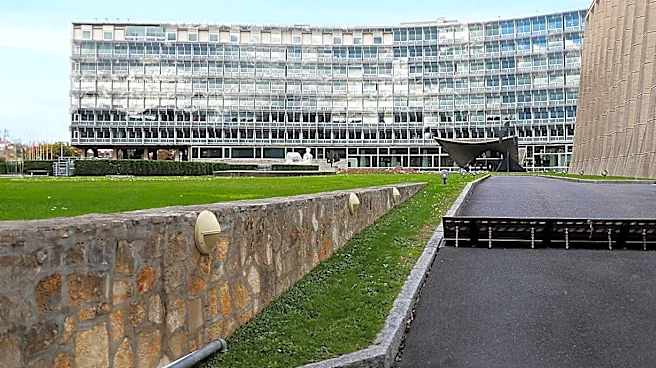
An International Partners’ Meeting, hosted by UNESCO, recently took place to discuss improving international coordination and response effectiveness for cultural emergencies. The meeting brought together various partner institutions and organizations
to address pressing issues facing cultural heritage, including the impacts of climate change and the challenges posed by global humanitarian and development funding contractions. Key discussions focused on the need for more innovative, pooled, and partnership-based funding models to sustain the cultural sector, especially given reports of some organizations losing up to 60% of their resources. Participants also highlighted that only 27% of countries reporting under the UNFCCC currently identify cultural heritage as a concern, indicating a significant gap in planning and operational readiness. The event also marked the launch of the UNESCO Culture x El Niño initiative, aimed at safeguarding culture from the strong El Niño weather phenomenon, and featured a photo exhibition showcasing 10 years of achievements by the Heritage Emergency Fund.
Why It's Important?
This meeting is crucial for the preservation of global cultural heritage, which is increasingly threatened by climate change, conflicts, and economic instability. The discussions underscore the urgent need for a more coordinated and effective international response to protect cultural sites and artifacts. The identified gap in UNFCCC reporting regarding cultural heritage highlights a broader issue of under-prioritization of cultural assets in climate action plans, which could lead to irreversible losses. The call for innovative funding models reflects a recognition that traditional funding mechanisms are insufficient to meet the growing challenges. By fostering greater collaboration and developing joint operational principles, the initiative aims to strengthen the resilience of cultural heritage against future emergencies, ensuring that these invaluable assets are preserved for future generations and contribute to global understanding and identity.
What's Next?
Following the meeting, participants agreed to continue working collectively on developing joint operational principles for interventions on culture in emergencies in the coming months. This ongoing effort will aim to embed culture within existing coordination mechanisms and establish common indicators and definitions before crises occur, allowing the sector to respond more effectively alongside humanitarian and disaster risk reduction actors. The UNESCO Culture x El Niño initiative will proceed with its efforts to safeguard cultural heritage from the impacts of the El Niño weather phenomenon. The photo exhibition on the Heritage Emergency Fund will remain on view until October 31, 2026, continuing to raise awareness about the importance of cultural emergency preparedness and response.
Beyond the Headlines
The discussions at the UNESCO meeting reveal a deeper challenge in how cultural heritage is valued and protected within global frameworks. The low percentage of countries identifying cultural heritage as a concern in UNFCCC reports suggests a systemic oversight, where the tangible and intangible aspects of human history and identity are often sidelined in favor of more immediate economic or environmental concerns. This oversight can lead to a loss of cultural diversity and historical memory, which are vital for societal resilience and understanding. The emphasis on cultural rights, as highlighted by the UN Special Rapporteur, underscores the ethical dimension of this work, asserting that the protection of culture is not merely about preserving objects but about upholding fundamental human rights. The long-term implications of these efforts extend to fostering a more holistic approach to disaster preparedness and climate action, one that integrates cultural considerations as essential components of sustainable development and human well-being.