




What's Happening?
A significant development in the European Union's ongoing spyware scandal has emerged, involving Stelios Kouloglou, a Greek journalist and former politician. Kouloglou, who is part of a special committee investigating the misuse of Pegasus spyware, was
himself targeted by the same software. The University of Toronto's The Citizen Lab confirmed that his phone was breached multiple times in 2022 and 2023. This marks the first known instance of a member of the European Parliament's PEGA committee being directly attacked. The cyberattack exploited a vulnerability in Apple's iPhone, using a 'zero-click' method that did not require user interaction. Hackers accessed Kouloglou's private data, including correspondence, location, and conversations, even during his hospital stay. The incident has sparked calls for the European Commission to impose stricter controls on spyware use across its member states.
Why It's Important?
This incident underscores the growing concerns about the use of digital surveillance tools by governments against critics and political figures. The breach of Kouloglou's phone highlights vulnerabilities in widely used technology, raising questions about the security measures of tech giants like Apple. The attack also emphasizes the need for international legal frameworks to protect individuals from state-sponsored cyberattacks. The situation could lead to increased political pressure on the European Commission to regulate spyware usage, potentially affecting international relations and privacy laws. The involvement of the NSO Group, known for developing Pegasus, suggests a broader pattern of espionage that could impact diplomatic ties and trust among European nations.
What's Next?
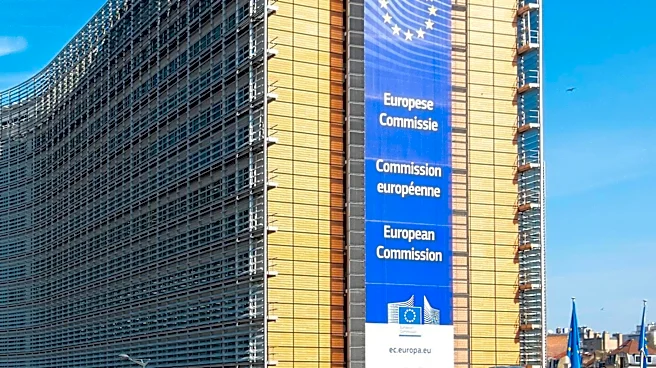
The European Commission is likely to face mounting pressure to address the misuse of spyware and implement stricter regulations. The final report on spying scandals in several European countries, including Cyprus, Greece, Hungary, Poland, and Spain, is anticipated soon. This report could influence future policy decisions and lead to legal actions against entities involved in unauthorized surveillance. Additionally, tech companies like Apple may need to enhance their security protocols to prevent similar breaches, potentially leading to industry-wide changes in cybersecurity practices.