




What's Happening?
The ongoing negotiations between the United States and Iran have hit a snag as the Iranian military has reimposed a blockade on the Strait of Hormuz. This development comes after a brief period of optimism when Iranian Foreign Minister Abbas Araghchi
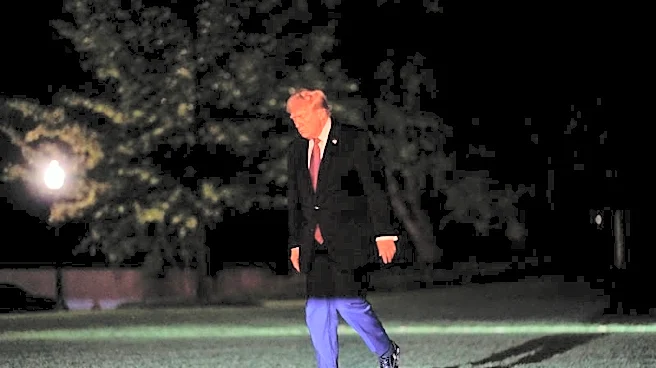
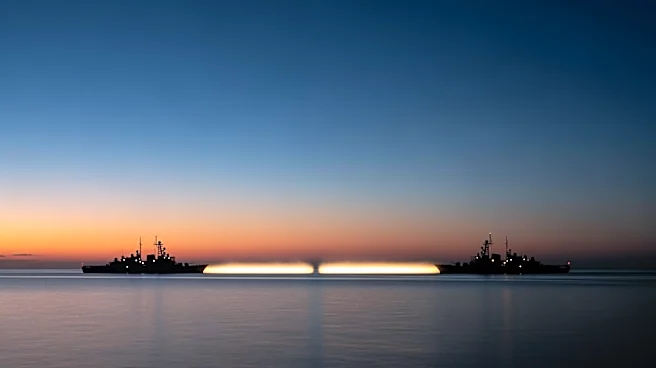
suggested the strait would be fully open, leading to a temporary drop in crude oil prices. However, the situation quickly deteriorated as the Islamic Revolutionary Guard Corps (IRGC) announced the blockade's reinstatement, citing the continued US blockade of Iranian ports. The IRGC warned that any vessel approaching the strait would be considered an enemy collaborator and targeted. This escalation follows President Trump's insistence that the US blockade will remain until a satisfactory agreement is reached with Iran. The two nations remain divided on key issues, including Iran's uranium enrichment program. The current ceasefire is set to expire in three days, with uncertainty surrounding its extension.
Why It's Important?
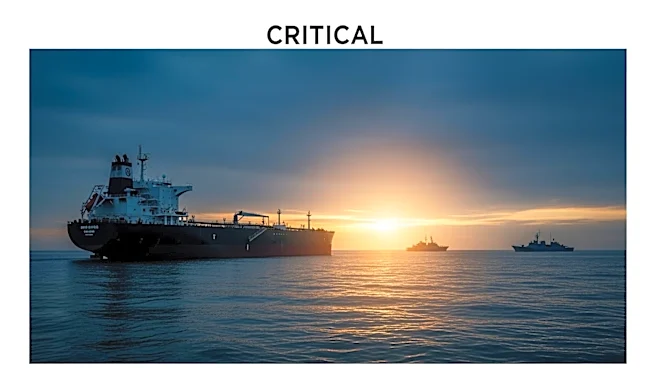
The blockade of the Strait of Hormuz, a critical chokepoint for global oil shipments, has significant implications for international trade and energy markets. The renewed tensions between the US and Iran could lead to disruptions in oil supply, potentially driving up global oil prices and affecting economies worldwide. The situation also underscores the fragile nature of US-Iran relations and the challenges in reaching a diplomatic resolution. The potential for military escalation remains high, with both sides showing little willingness to compromise. This standoff not only impacts the involved nations but also poses risks to regional stability in the Middle East, affecting global geopolitical dynamics.
What's Next?
As the ceasefire nears its expiration, the possibility of renewed hostilities looms. Both nations have indicated a readiness to resume talks, but significant hurdles remain. The US has yet to confirm its plans for a second round of negotiations, while Iran reviews new proposals. The international community will be closely monitoring the situation, with potential diplomatic interventions to prevent further escalation. The outcome of these talks could have lasting effects on US foreign policy and its approach to Middle Eastern affairs.