





What's Happening?
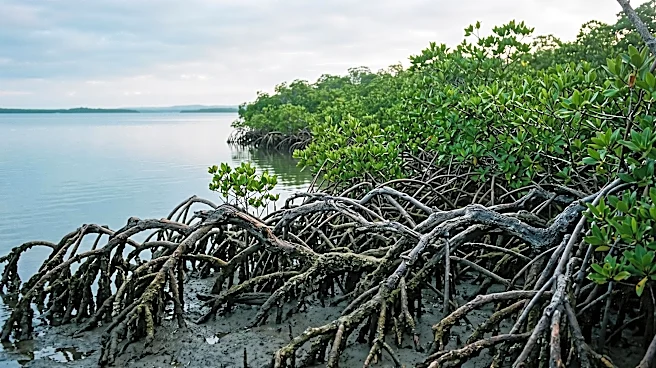
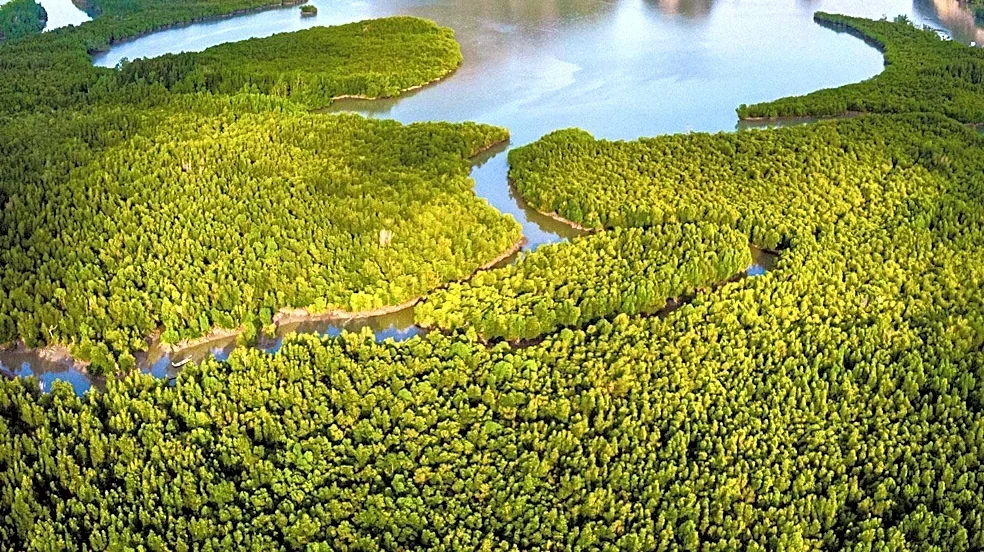
The Philippines has experienced a notable increase in its mangrove cover over the past four decades, according to the latest update from the Global Mangrove Watch (GMW). Between 1985 and 2025, the country added 473.43 square kilometers of mangroves, bringing
its total mangrove habitat to 3,037.78 square kilometers as of 2025. This growth is attributed in part to afforestation and restoration efforts, which involve the human-induced conversion of non-forested land to forested land through planting, seeding, or promoting natural seed sources. Government and community-led initiatives, such as those in the Zamboanga Sibugay peninsula led by fisherman Roberto 'Dodoy' Ballon, have been instrumental in this rebound. The municipality of Del Carman in Siargao also significantly expanded its Mangrove Reserve by 500 hectares between 2012 and 2025, earning it recognition as a wetland of international importance under the Ramsar Convention on Wetlands.
Why It's Important?
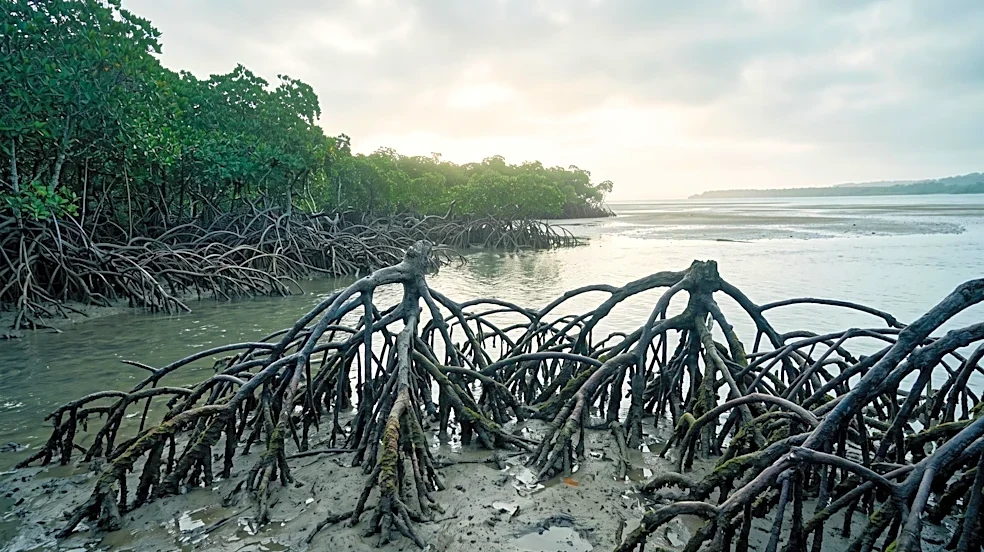
The increase in mangrove cover in the Philippines holds significant importance for environmental protection, climate change mitigation, and community resilience. Mangroves play a crucial role in sustaining food security and livelihoods for coastal communities. They also act as natural barriers, protecting coastal areas and cities from the devastating impacts of storm surges and rising sea levels, which are increasingly prevalent due to climate change. Furthermore, mangroves are highly effective carbon sinks, capable of sequestering carbon at rates up to four times higher than terrestrial forests. This makes their expansion a vital component in the global effort to combat climate change. The success in the Philippines demonstrates the effectiveness of dedicated conservation and restoration programs, offering a model for other nations facing similar environmental challenges.
What's Next?
Continued efforts in mangrove afforestation and restoration are expected to be a priority for the Philippines. The success stories from areas like Zamboanga Sibugay and Siargao may inspire the replication of similar community-led and government-supported initiatives across other vulnerable coastal regions. International organizations and environmental groups are likely to continue supporting these programs, recognizing their dual benefits for biodiversity and climate resilience. Monitoring by entities like the Global Mangrove Watch will remain crucial to track progress, identify areas needing further intervention, and assess the long-term impacts of these restoration efforts. The Philippines' experience could also inform policy discussions at international climate and environmental forums, highlighting the potential of nature-based solutions.
Beyond the Headlines
The resurgence of mangroves in the Philippines underscores a broader shift towards recognizing and investing in natural infrastructure for climate adaptation and mitigation. Beyond their ecological benefits, these efforts foster community empowerment and sustainable development. The involvement of local communities, exemplified by individuals like Roberto 'Dodoy' Ballon, highlights the critical role of grassroots initiatives in achieving large-scale environmental success. This also brings to light the economic value of ecosystem services provided by mangroves, which often goes unquantified. The long-term implications include enhanced ecological stability, improved livelihoods for coastal populations, and a stronger national defense against the escalating threats of climate change, demonstrating that targeted conservation can yield significant positive outcomes.