








What's Happening?
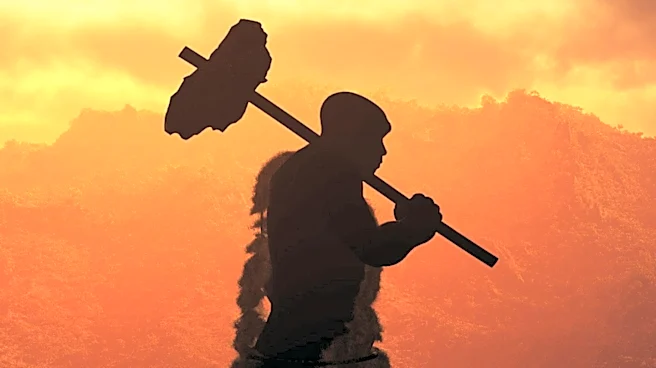
A recent study published in the journal Nature has uncovered significant genetic diversity among late Neanderthals in northwestern Europe, challenging the notion that inbreeding led to their extinction. Researchers analyzed DNA from 27 Neanderthals, including
a high-quality genome, from archaeological sites in Belgium and France. The findings indicate that these Neanderthals were part of a large, genetically interconnected population, unlike the isolated groups previously studied in Siberia. This study suggests that reduced genetic diversity was not the primary cause of Neanderthal extinction, as these groups displayed considerable genetic variation and were not as inbred as once thought.
Why It's Important?
The study's findings have significant implications for understanding Neanderthal extinction. By demonstrating that late Neanderthals in northwestern Europe maintained genetic diversity, the research challenges previous theories that inbreeding was a major factor in their demise. This insight reshapes the narrative of Neanderthal extinction, suggesting that other factors, such as environmental changes or competition with modern humans, may have played a more critical role. The study also highlights the complexity of Neanderthal populations, emphasizing the need to consider regional variations when studying their history and interactions with early modern humans.
What's Next?
Future research will likely focus on analyzing Neanderthal DNA from other regions, such as the Iberian and Italian peninsulas, to determine if similar levels of genetic diversity existed elsewhere. These studies could provide further insights into the factors contributing to Neanderthal extinction and their interactions with modern humans. Additionally, researchers may explore the social dynamics between Neanderthals and early modern humans, particularly the asymmetry in genetic integration, to better understand the cultural and biological exchanges between these groups.
Beyond the Headlines
The study also raises questions about the social acceptance of Neanderthal-modern human hybrids. The lack of modern human DNA in the analyzed Neanderthals suggests that while early modern humans may have integrated Neanderthal genes, the reverse was not true. This could indicate social or cultural barriers that prevented Neanderthals from accepting modern human genes, potentially influencing their survival and adaptation. Understanding these dynamics could offer deeper insights into the social structures and interactions of ancient human populations.