






What's Happening?
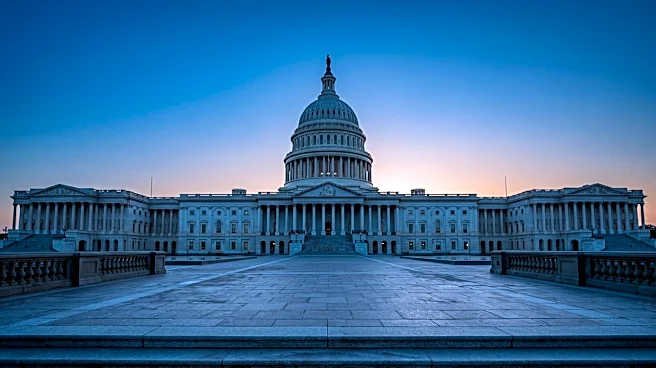
Eugene Steuerle, a prominent fiscal policy expert and Institute fellow at the Urban Institute, is drawing attention to critical fiscal challenges facing the United States. Steuerle, who previously served as deputy assistant secretary of the U.S. Department
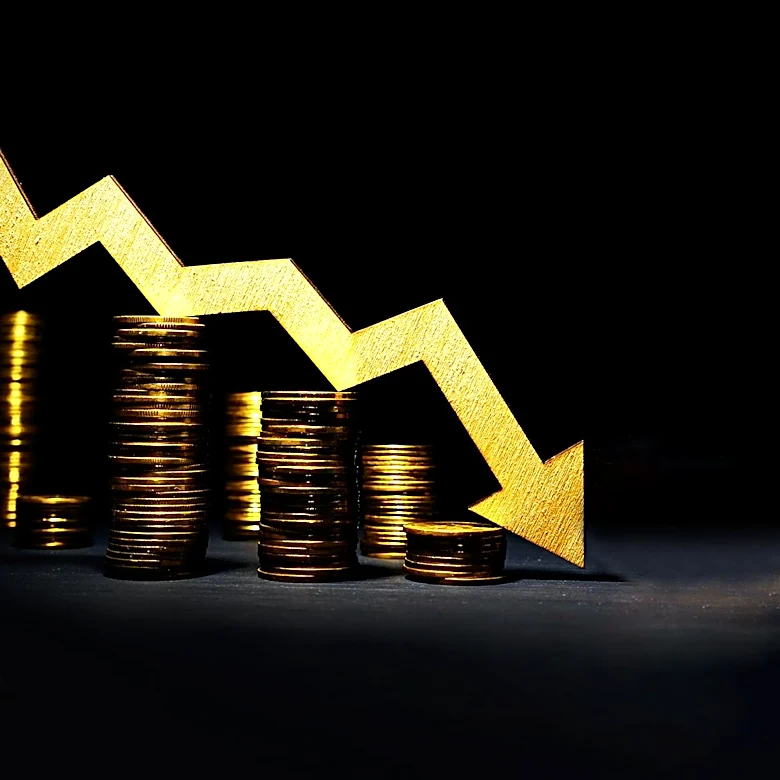
of the Treasury for Tax Analysis, is emphasizing concerns about the nation's $40 trillion federal debt and the projected one-fifth cut in Social Security benefits within six years. He argues that the U.S. is in a worse fiscal state than Italy and that the 'American Dream' is becoming a 'vicious nightmare' for many due to growing inequality. Steuerle's work, including his latest book 'Abandoned,' suggests a lack of effective leadership in addressing these issues, characterizing the current political landscape as dominated by 'grifters, clowns, and con men.' His analysis is based on extensive experience, including roles with the Congressional Budget Office and the Joint Committee on Taxation, and his insights are shared through his Substack, 'The Government We Deserve.'
Why It's Important?
Steuerle's warnings are significant because they highlight fundamental structural issues within the U.S. economy and public finance that could have profound long-term consequences. The escalating federal debt, if left unaddressed, could lead to higher interest rates, reduced government spending on essential services, and a potential economic downturn. The projected cuts to Social Security benefits would directly impact millions of retirees and vulnerable populations, exacerbating economic insecurity and potentially increasing poverty rates among the elderly. The growing economic inequality, as Steuerle points out, can undermine social cohesion, reduce consumer demand, and hinder overall economic growth. His critique of political leadership suggests a systemic failure to tackle these complex problems, implying that current policy approaches are insufficient or misdirected. Addressing these issues requires bipartisan cooperation and difficult policy choices that could reshape the nation's economic future and the well-being of its citizens.
What's Next?
The concerns raised by Steuerle are likely to fuel ongoing debates about fiscal responsibility, entitlement reform, and wealth distribution in the U.S. Policymakers will face increasing pressure to develop sustainable solutions for the federal debt and Social Security, potentially leading to proposals for tax reforms, spending cuts, or adjustments to benefit programs. Discussions around economic inequality may prompt calls for policies aimed at wealth redistribution, increased minimum wages, or enhanced social safety nets. Steuerle's advocacy for informed policy approaches suggests a continued need for experts to engage with the public and political leaders to foster a deeper understanding of these complex issues. His work could influence think tanks, advocacy groups, and academic institutions to further research and propose solutions, potentially shaping future legislative agendas and public discourse on the nation's fiscal health.
Beyond the Headlines
Steuerle's analysis extends beyond immediate economic indicators to touch upon the ethical and societal implications of current fiscal trends. His assertion that the 'American Dream' is eroding for many due to inequality raises questions about intergenerational equity and the fundamental promise of upward mobility in American society. The idea of 'no adults in the room' in Washington suggests a crisis of governance and a breakdown in the ability of political institutions to address long-term challenges effectively. This perspective implies that the fiscal issues are not merely technical problems but symptoms of deeper political and societal dysfunctions. The long-term shifts triggered by these developments could include a decline in public trust in government, increased social unrest due to economic disparities, and a re-evaluation of the role of government in ensuring economic security and opportunity for all citizens. His work underscores the urgent need for a comprehensive and principled approach to fiscal policy that prioritizes the well-being of future generations.