



What's Happening?
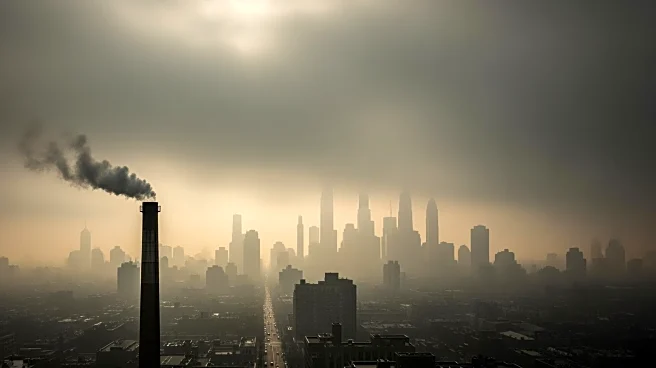
A recent study has highlighted the severe impact of air pollution in Pittsburgh, Pennsylvania, estimating that it contributes to over 3,000 deaths annually. Researchers focused on the long-term effects of fine particle pollution in southwestern Pennsylvania, identifying
the region as one of the most dangerous pollution 'hot spots' in the United States. The study found that pollution was responsible for approximately one in every nine adult deaths in the area in a single year. Despite federal standards, the pollution levels in Pittsburgh remain hazardous, with significant health impacts even when levels fall below current federal limits. The study also linked pollution to various health issues, including premature births and cognitive impairments in children. The findings come amid federal moves to weaken air quality regulations, raising concerns about public health protection.
Why It's Important?
The study underscores the critical public health challenge posed by air pollution in the U.S., particularly in industrial regions like Pittsburgh. The findings highlight a disconnect between scientific evidence and current air quality policies, suggesting that existing standards may not adequately protect public health. The potential rollback of air quality regulations could exacerbate health risks, disproportionately affecting vulnerable populations, including children and the elderly. The economic implications are also significant, as pollution-related health issues can lead to increased healthcare costs and reduced productivity. The study calls for a reevaluation of air quality standards to better align with scientific findings and protect public health.
What's Next?
The study's findings may prompt calls for stricter air quality regulations and increased enforcement of existing laws. Environmental and public health advocates are likely to push for policy changes to address the identified health risks. The federal government's response, particularly from the Environmental Protection Agency, will be crucial in determining the future direction of air quality standards. Local governments in affected regions may also take independent action to mitigate pollution and protect residents' health. The ongoing debate over air quality regulations is expected to continue, with potential legal and political challenges shaping the outcome.