







What's Happening?
Charis Loertscher, a 44-year-old employee of Quincy Public Schools, made her initial appearance in Adams County Circuit Court on Thursday after being charged with aggravated battery of a disabled person and domestic battery. Judge Joshua Jones ordered
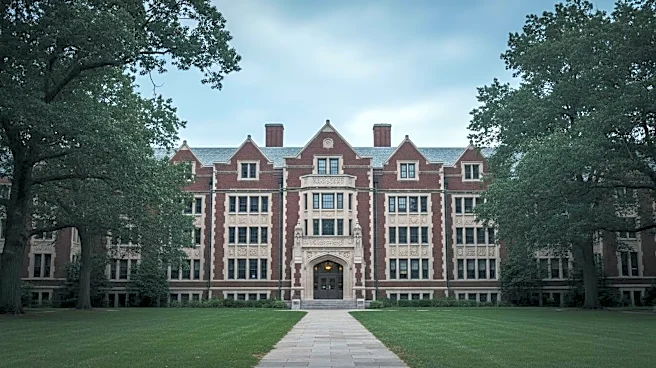
Loertscher's release while she awaits trial, with conditions including reporting to the county’s pretrial services and undergoing a mental health examination. Pending the examination results, Loertscher is prohibited from having contact with any minor children, including her own, and will be allowed one supervised visit to her home to collect personal belongings. The investigation began on Wednesday morning with the assistance of the Illinois Department of Children and Family Services (DCFS). Quincy police detectives and DCFS investigators reviewed video evidence and interviewed staff at Iles Elementary School, where the incident occurred. According to the police report, Loertscher allegedly pushed and kicked a student with a disability outside the school.
Why It's Important?
This incident highlights critical issues concerning the safety and protection of vulnerable individuals, particularly disabled students, within educational settings. The charges against a school employee for aggravated battery of a disabled person underscore the severe consequences of such actions and the legal protections in place for individuals with disabilities. The court's order for a mental health examination for the accused suggests a recognition of potential underlying factors that may contribute to such behavior, emphasizing the importance of mental health assessments in legal proceedings involving serious charges. Furthermore, the involvement of both the Quincy Police Department and the Illinois Department of Children and Family Services demonstrates a multi-agency approach to investigating and addressing allegations of harm against children, ensuring that both criminal and child welfare aspects are thoroughly examined. This case could prompt discussions about staff training, supervision, and support systems within schools to prevent similar incidents and ensure a safe environment for all students.
What's Next?
Charis Loertscher will remain released while awaiting trial, subject to the conditions set by Judge Joshua Jones, including the mental health examination and restrictions on contact with minor children. The results of the mental health examination will likely play a significant role in the ongoing legal proceedings, potentially influencing the defense strategy or sentencing if she is convicted. The investigation by Quincy police and DCFS is ongoing, and further details may emerge as the case progresses. This incident could lead to internal reviews within Quincy Public Schools regarding their protocols for staff conduct, supervision, and the protection of students with disabilities. Depending on the outcome of the trial, there may be broader implications for school policies and training programs aimed at preventing violence and ensuring the well-being of all students, particularly those who are most vulnerable.
Beyond the Headlines
This case delves into the broader societal responsibility to protect vulnerable populations, especially children with disabilities, within institutions designed for their care and education. The alleged actions of a school employee raise questions about the vetting processes for staff, the adequacy of training in managing challenging situations involving students with special needs, and the overall culture of safety within educational environments. Beyond the legal ramifications for the individual, the incident could erode public trust in the school system and prompt parents of disabled children to demand greater accountability and transparency. It also brings to light the often-overlooked issue of violence against disabled individuals, who may be less able to defend themselves or communicate their experiences. The focus on a mental health examination for the accused also underscores the complex interplay between mental well-being and behavior, suggesting a need for comprehensive support systems for employees in high-stress environments like schools.