







What's Happening?
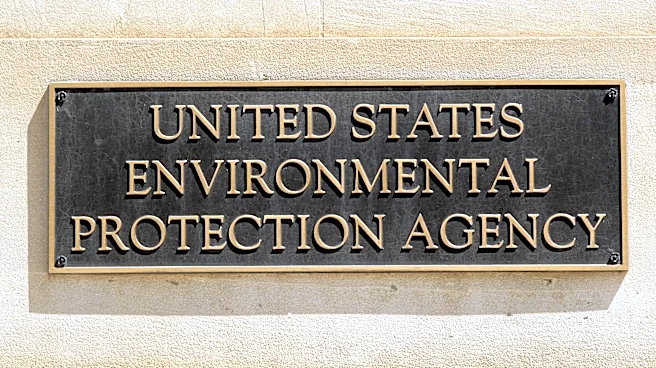
The U.S. Environmental Protection Agency (EPA) is actively seeking applications for a research project focused on developing and qualifying in vitro blood-brain barrier (BBB) models. This initiative, based in Durham, North Carolina, is part of the EPA's
broader effort to advance New Approach Methodologies (NAMs) for evaluating the risks associated with environmental chemical exposures. The Risk Assessment Support Division (RASD) within the EPA's Office of Chemical Safety and Pollution Prevention (OCSPP) aims to utilize these models to generate human-relevant information for chemical hazard and risk assessment. The project emphasizes reducing or replacing vertebrate animal testing while ensuring the accuracy and reliability of data used to safeguard human health and the environment. Researchers will gain experience in establishing and optimizing in vitro BBB model systems, conducting chemical exposure assays, and performing permeability and transport studies. The data collected will inform in vitro-to-in vivo extrapolation and support the development of physiologically based pharmacokinetic (PBPK) models to improve predictions of chemical brain exposure and distribution.
Why It's Important?
This research project is significant for several reasons. Firstly, it underscores the EPA's commitment to modernizing chemical safety assessments by moving away from traditional animal testing methods, aligning with ethical considerations and scientific advancements. The development of robust in vitro BBB models can provide more human-relevant data, leading to more accurate risk assessments for environmental chemicals that may impact neurological health. This shift can enhance the agency's ability to protect public health by identifying potential neurotoxicants more efficiently and effectively. For the chemical industry, improved screening methods could lead to clearer guidelines and potentially faster product development cycles, as the regulatory approval process might become more streamlined with reliable, human-relevant data. Furthermore, this initiative contributes to the broader scientific community by advancing the field of toxicology and providing new tools for understanding chemical interactions with the human brain.
What's Next?
The application deadline for this research opportunity is December 18, 2026, with a projected start date after December 14, 2026. Applications are being reviewed on a rolling basis, and the position may close before the stated deadline. The selected participant will engage in hands-on experience with human primary cell cultures, high-content imaging, gene expression assays, and advanced in vitro culture methods. Beyond laboratory work, the researcher will be involved in curating scientific literature, preparing reports, presenting findings at national meetings, and authoring manuscripts for peer-reviewed publications. The initial appointment will be for one year, with the possibility of renewal for three to four additional years, contingent on EPA recommendation and funding availability. The outcomes of this research are expected to contribute directly to the EPA's regulatory decisions and inform future policies regarding environmental chemical safety.
Beyond the Headlines
The EPA's investment in advanced in vitro BBB models reflects a broader scientific and ethical movement towards reducing animal testing in toxicology. This shift has profound implications for how environmental health risks are assessed and managed. By utilizing human cell-based models, the agency aims to overcome limitations of animal models, which may not always accurately predict human responses to chemical exposures. This approach could lead to a more nuanced understanding of how chemicals affect the brain, potentially uncovering subtle neurotoxic effects that traditional methods might miss. Ethically, it addresses public concerns about animal welfare in scientific research. Legally, the development of these NAMs could strengthen the scientific basis for regulatory actions, making them more defensible against legal challenges. Culturally, it signifies a growing societal expectation for scientific research to be both effective and humane, pushing the boundaries of innovation in environmental protection.