










What's Happening?
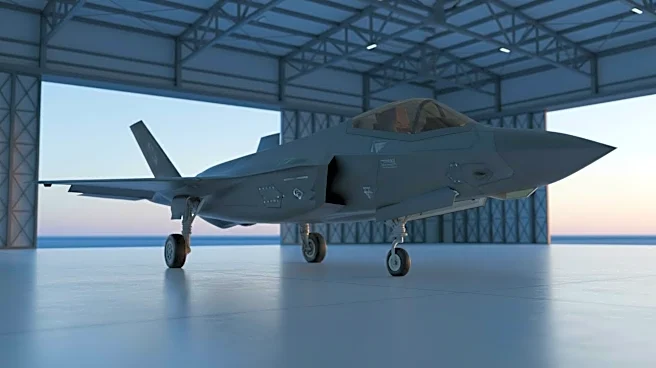
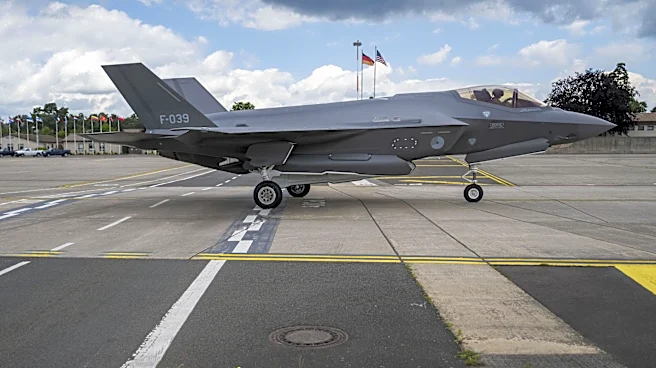
Japan, Italy, and the United Kingdom have awarded a £4.6 billion ($6.1 billion) contract to Edgewing, an industrial consortium, for the development of the Global Combat Air Programme (GCAP) fighter jet. This contract marks a significant step forward in the program,
enabling the completion of the advanced concept and assessment phase, and further joint detailed design and development. The announcement follows the release of the UK's Defence Investment Plan, which committed £8.6 billion over four years to the program, exceeding the initially expected £6 billion. The UK had faced criticism from Japan over delays in securing funding, which threatened to impact the planned delivery date of the sixth-generation jet by 2035. The contract signing comes just before the UK Farnborough airshow, highlighting the strengthened international partnership and support for skilled jobs across the UK.
Why It's Important?
The GCAP fighter jet program is a critical defense initiative for Japan, Italy, and the UK, aiming to enhance their military capabilities with a sixth-generation aircraft. The substantial financial commitment from the UK underscores the importance of international collaboration in defense technology development. This program not only supports thousands of jobs in the UK but also strengthens defense ties among the participating nations. The successful development of the GCAP fighter jet could position these countries as leaders in advanced military aviation technology, potentially influencing global defense markets and strategic alliances.
What's Next?
With the contract now in place, Edgewing is expected to proceed with awarding subcontracts to manage the electronics and propulsion systems of the GCAP jet. The program will transition from the concept and assessment phase to full design and development, with a focus on meeting the 2035 delivery target. The upcoming UK Farnborough airshow may provide further insights into the program's progress and future milestones. Stakeholders will be closely monitoring the program's development, as it could set a precedent for future international defense collaborations.